how to turn on wifi hotspot on laptop windows 8

Title: Turn Windows 8 Laptop into WiFi HotSpot How To
Channel:
Turn Windows 8 Laptop into WiFi HotSpot How To by
Unlock Your Laptop's WiFi Hotspot: Windows 8 Secret Revealed!
Unleash Your Inner Network Guru: Turning Your Windows 8 Laptop into a WiFi Hotspot
Ever wished you could share your internet connection with multiple devices? Are you tired of hunting for Wi-Fi, especially in a pinch? Well, you're in luck. Your Windows 8 laptop holds a secret. It's a hidden talent for becoming a powerful Wi-Fi hotspot. It's simpler than you might think. You can transform your laptop into a personal connection hub in minutes.
The Hidden Power Within: A Beginner's Guide
Think of your laptop as a mobile internet router. It truly is. It can broadcast a Wi-Fi signal for other devices to connect. We're talking about smartphones, tablets, and even other laptops. This functionality is surprisingly easy to access. You don't need complex network knowledge to get started. The process is intuitive. First, it requires a stable internet connection on your laptop. This can be through Ethernet or another Wi-Fi network.
Step-by-Step Activation: Your WiFi Beacon Awaits
Let's get straight to the point. The magic happens in the Command Prompt. This isn't as scary as it sounds. Press the Windows key and the “R” key simultaneously. This opens the "Run" dialog box. Type "cmd" in the box and click "OK". Now, we're going to use a few commands. Don't worry; they are straightforward.
Creating the Virtual Network: Setting the Stage
First, we'll create the virtual network. Type this command exactly: netsh wlan set hostednetwork mode=allow ssid="YourHotspotName" key="YourPassword". Replace "YourHotspotName" with the name you want your hotspot to have. Choose a secure "YourPassword." Use a strong password. This protects your network from unwanted access. Press Enter. You should see a confirmation message. This indicates success.
Starting the Hotspot: Bringing it to Life
Next, we'll start the hosted network. Type: netsh wlan start hostednetwork. Press Enter. You should receive a confirmation message. It often states the hosted network started. Now, you have established the groundwork. However, there's another crucial step.
Sharing Your Internet: Connecting the Dots
Your hotspot is now established. But your devices won't connect just yet. We need to enable internet sharing. Open the Network and Sharing Center. You can find this in the Control Panel. Alternatively, right-click the Wi-Fi icon in your system tray. Select "Open Network and Sharing Center". Click on "Change adapter settings".
You'll see a list of network connections. Right-click the connection your laptop uses for internet. This is usually your Wi-Fi or Ethernet connection. Choose "Properties.” Go to the "Sharing" tab. Check the box that says, "Allow other network users to connect through this computer's internet connection". Then, select your hosted network. This is the virtual network. The one you created with the command. From the dropdown menu, select the name you picked for your hotspot. Click "OK." Finally, your laptop is ready.
Troubleshooting Common Issues: Smooth Sailing Ahead
Sometimes issues crop up. Don't worry. Here's how to tackle them. First, ensure the "Network and Sharing" setting is set up correctly. Double-check all the key steps. Secondly, make sure your WiFi adapter is enabled. It could be accidentally disabled. Therefore verify it in the Device Manager. Thirdly, firewall settings might be blocking connections. Temporarily disable your firewall for testing. Always re-enable it afterward. Restarting your laptop can also solve many problems. Sometimes, glitches happen.
Securing Your Hotspot: Staying Safe Online
Security is crucial. Use a strong password for your hotspot. It prevents unauthorized access. Consider using WPA2 encryption. This is a more secure option. Update your laptop's security software regularly. This helps protect against threats. Never share your password with unknown individuals. Be mindful of the websites you visit. Be aware of the data you're transmitting.
Beyond the Basics: Advanced Tweaks
Beyond the basic setup, there are advanced options. You can create batch files. Or automate the hotspot creation and startup process. You can also explore third-party software. These offer additional control. They let you customize your hotspot experience. For instance, monitor data usage. However, the built-in features are usually adequate.
The Bottom Line: A World of Connectivity
Unlocking your laptop's hotspot potential is a valuable skill. You're always prepared for connectivity challenges. It is easy to set up. It offers a powerful way to share internet. It's useful whether you're at home, traveling, or working remotely. Enjoy the flexibility and convenience it provides. You will become the go-to WiFi provider. It can transform your laptop into a versatile networking tool. It is a handy solution that is convenient. It's truly a fantastic hidden feature.
HP Laptop WiFi Nightmare? Solved in 60 Seconds!Okay, buckle up, tech enthusiasts! Get ready to dive into a Windows 8 mystery that’s been whispering secrets for years: Unlock Your Laptop's WiFi Hotspot: Windows 8 Secret Revealed! We're not just talking about a feature; we’re talking about liberating your laptop's potential! Let's get started, shall we?
Unlock Your Laptop's WiFi Hotspot: Windows 8 Secret Revealed!
This isn't just another tech tutorial; it's a quest. A journey to the heart of your laptop's hidden power. We've all been there: stranded, internetless, and yearning to connect. Whether it's sharing that vital project file, streaming a movie on a road trip, or simply getting your tablet online, a WiFi hotspot is a lifesaver. But what if I told you the solution has been hiding right in front of you, practically embedded in your Windows 8 machine?
1. The Frustrating Reality: The Missing Hotspot in Windows 8
Remember those days of struggling to create a hotspot? That feeling of staring blankly at settings, feeling utterly defeated? We do. The perceived complexity of turning your laptop into a WiFi router felt daunting, like deciphering hieroglyphs. Windows 8, while a pioneering operating system, didn’t exactly hold your hand. Many users, myself included, found it challenging to configure an ad-hoc network, the traditional method of creating a hotspot. It felt…clunky. It felt like trying to navigate a maze blindfolded.
2. Unveiling the Secret: The Hidden Power of Hosted Networks
Here's where the magic happens. Windows 8, much to the surprise of many, actually packs a powerful feature – the hosted network. Think of it as a secret weapon, a hidden compartment in your digital toolbox. This feature allows you to create a virtual WiFi hotspot, sharing your laptop's internet connection with other devices. It's like having a miniature, private WiFi router built right into your machine.
3. Checking Compatibility: Is My Laptop Ready?
Before we get our hands dirty, let’s confirm that your laptop can even play this game. We're talking about checking whether your wireless network adapter supports the "hosted network" feature. Don't worry, it's easier than finding Waldo.
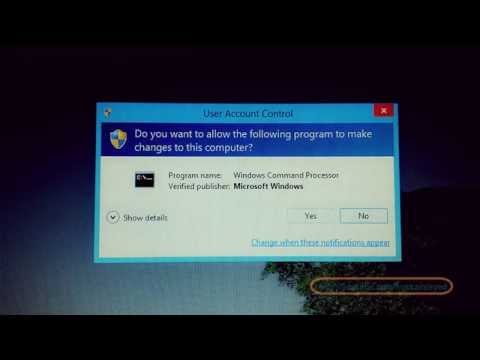
- Open Command Prompt as Administrator: Search for "cmd" in the Windows 8 search bar. Right-click on "Command Prompt" and choose "Run as administrator." This grants us the necessary permissions to tinker with the system.
- Type and Execute the Command: In the command prompt window, type the following command and press Enter:
netsh wlan show drivers - Analyze the Results: Look for a line that says "Hosted network supported: Yes." If it says "Yes," congratulations! You're good to go. If it says "No," unfortunately, your wireless adapter might not support this feature. Time to get creative with external solutions (more on that later!).
4. The First Step: Making the Hosted Network Possible
Assuming you got a "Yes" in the previous section, let's start configuring the hosted network. This step helps set up the invisible infrastructure for your hotspot.
Open Command Prompt (Again!): Like before, run Command Prompt as an administrator.
Setting Up the Radio Waves: Type this command and press Enter:
netsh wlan set hostednetwork mode=allow ssid=YourHotspotName key=YourPassword- Replace
"YourHotspotName"with the name you want your WiFi hotspot to have (e.g., "MyLaptopWiFi"). - Replace
"YourPassword"with a strong password (8 characters minimum). This password protects your network from unauthorized access. Think of it as the padlock on your treasure chest.
- Replace
Example:
netsh wlan set hostednetwork mode=allow ssid=MyLaptopHotspot key=SecretPassword123
5. Initiating the Connection: Turning On the Hotspot
Now that we've laid the groundwork, it's time to activate our hotspot. This is where the magic truly comes alive!
- Start the Hosted Network: Type this command into the Command Prompt and hit Enter:
netsh wlan start hostednetwork - Success! You should see a confirmation message indicating that the hosted network has started.
6. Sharing the Internet: Bridging the Gap
The hotspot is active, but your other devices still won't have internet. We need to share your laptop's existing internet connection. It's like connecting your house to the main power grid and then distributing that power throughout your home.
- Open Network Connections: Press the Windows key + R, type
ncpa.cpl, and press Enter. This opens the Network Connections window. - Find Your Internet Connection: Locate your active internet connection (Wi-Fi or Ethernet). It will have a green bar under it.
- Properties, Properties, Properties: Right-click your internet connection and select "Properties."
- Sharing is Caring: Go to the "Sharing" tab.
- Enable Sharing: Check the box that says "Allow other network users to connect through this computer's Internet connection." A drop-down menu will appear.
- Select Your Hosted Network: Choose your hosted network connection (the one you created earlier). You should see a connection name related to the hotspot name you chose in section 4.
- Apply and Okay: Click "Apply" and then "OK."
7. Troubleshooting Common Issues: When Things Go Wrong
Sometimes, things don't go perfectly according to plan. Don't worry! Here's what to do when you hit a snag:
- "The hosted network couldn't be started." This often means the "Wireless Hosted Network" service is not running. Try starting it manually in the Services app (
services.msc). - "Can't connect to the internet." Double-check the sharing settings in Network Connections (section 6). Make sure the correct connection is being shared. Also, verify the password for your hotspot.
- Slow Speeds: WiFi speed, like a river's flow, can be affected by walls, distance from the router, and other devices connected.
8. The Benefits: Why Bother?
Why go through all this trouble? Because the benefits are worth it!
- Share Internet Anywhere: Create a hotspot wherever you have internet access.
- Connect Multiple Devices: Connect your phone, tablet, and other devices to the internet simultaneously.
- Cost-Effective: Avoid paying for extra data plans for each device.
- Convenience: Enjoy internet access on the go, at home, or anywhere.
9. Security First: Password Protection
Never underestimate the importance of a strong password! Imagine leaving the door to your home wide open – that's what using a weak password is like. Choose a password that is:
- Long: The longer, the better.
- Complex: Mix uppercase and lowercase letters, numbers, and symbols.
- Unique: Don't reuse passwords from other accounts. Remember, your network is not just about sharing your internet connection. It is about protecting your privacy, so security should be a top priority.
10. The Ad-Hoc Network: A Mention
In windows, you can configure an ad-hoc network. Ad-hoc networks involve creating a direct connection between devices without using a router (or a wireless access point). This setup allows devices to connect directly to each other. Ad-hoc networking became less practical due to the proliferation of WiFi routers. Nonetheless, the ad-hoc network has had its day, mainly because it can become a bit cumbersome to configure, and there are limitations to how many devices you can have connected.
11. Alternatives to the Windows 8 Hosted Network
What if all else fails? If you run into compatibility issues or prefer a different approach, there are other options:
- Third-Party Software: Apps like Connectify Hotspot (pay-to-use) can make hotspot creation a breeze.
- Mobile Hotspot: Use your smartphone's built-in hotspot feature (if available). This is a convenient alternative but consumes your mobile data.
- USB Wireless Adapters: Some USB wireless adapters can act as WiFi hotspots.
12. Optimizing Performance: Fine-Tuning Your Hotspot
Maximize your experience:
- Choose the Right Channel: If your hotspot experiences interference, switch to another channel.
- Prioritize Bandwidth: Limit bandwidth-heavy apps to prevent speed throttling.
- Keep Your Router Close: The closer your devices are to the WiFi router, the higher the speed.
- Monitor Your Connection: Use internet speed tests to determine your internet speed.
13. The Verdict: Embracing the Secret
The Windows 8 hosted network is a hidden gem. It’s a testament to the power that resides within your laptop. You haven't just learned about a feature; you've gained a crucial tool.
14. Staying Secure: WiFi Hotspot Encryption
Maintaining a secure connection is like securing your home. It's crucial to keep your data protected.
- WPA2 or WPA3 Encryption: Always choose WPA2 or WPA3 encryption. These offer the best security protection.
Turn Windows 8 Laptop into WiFi HotSpot How To
By TechEmpty Turn Windows 8 Laptop into WiFi HotSpot How To by TechEmpty
Make a Wi fi Hotspot Using your Windows 8 Laptop
By Syed Shah Zahurullah Hussaini Make a Wi fi Hotspot Using your Windows 8 Laptop by Syed Shah Zahurullah Hussaini
Turn your Windows 8 Laptop into Wifi Hotspot

By Tricks That Make you Smart Turn your Windows 8 Laptop into Wifi Hotspot by Tricks That Make you Smart

Title: Windows 8 - How to turn on WiFi
Channel: HowTo
Windows 8 - How to turn on WiFi by HowTo
Wifi Not Found
Title: Mastering the Art of Authentic Storytelling: Crafting Narratives That Resonate
We live in an age saturated with information. The digital landscape has become a relentless torrent of content, vying for our attention at every turn. In this cacophony, the ability to capture and hold an audience's engagement, to truly connect with readers on a visceral level, has become more valuable than ever. This is where the art of authentic storytelling steps in. It is a timeless craft, a universal language that transcends cultural boundaries and resonates deeply within the human experience. Mastering this art is not merely about stringing words together; it's about weaving compelling narratives that evoke emotion, inspire action, and leave a lasting impression.
The Foundation: Understanding the Power of Narrative
Before delving into the techniques of storytelling, it's crucial to grasp its fundamental power. Stories are the building blocks of human understanding. They are how we make sense of the world, how we transmit knowledge, and how we connect with one another. From the earliest cave paintings to the latest blockbuster films, narratives have been the primary vehicles for sharing experiences, shaping beliefs, and fostering empathy.
A well-crafted story can:
- Capture Attention: In a world of fleeting distractions, a captivating narrative immediately snags the reader's focus. Vivid descriptions, intriguing characters, and a compelling plot establish an immediate connection.
- Build Emotional Connection: Stories allow us to tap into the vast spectrum of human emotions. By crafting authentic characters and immersing readers in their experiences, we can evoke empathy, excitement, sadness, and a range of other feelings.
- Enhance Memorability: Information presented in a story form is significantly more memorable than isolated facts. The narrative framework helps the brain organize and retain information, making it stick in the reader's mind long after they've finished reading.
- Inspire Action: Stories have the power to move people to action. They can expose injustices, inspire hope, and motivate individuals to take meaningful steps toward a better future.
- Foster Understanding: Complex concepts and ideas can be made accessible through storytelling. By presenting information in a relatable and engaging format, we facilitate a deeper level of understanding.
Crafting Compelling Characters: The Heart of the Narrative
The characters are the lifeblood of any compelling story. They are the vehicles through which the reader experiences the narrative. Developing well-rounded, believable, and relatable characters is essential to establishing a strong connection with your audience.
Consider these key elements when crafting your characters:
- Backstory: Every character should have a history, a past that has shaped who they are. This history informs their motivations, behaviors, and relationships.
- Motivations: What drives your characters? What do they want? What obstacles stand in their way? Clear motivations give characters purpose and drive the story forward.
- Flaws and Strengths: Imperfect characters are far more compelling than perfect ones. Flaws make them relatable, while strengths allow the reader to admire them.
- Relationships: How do your characters interact with others in the story? Relationships add depth, complexity, and conflict to the narrative.
- Growth: Characters should evolve throughout the story. They should be tested, challenged, and ultimately changed by their experiences.
Building a Captivating Plot: The Engine of Engagement
The plot is the sequence of events that make up the story. A compelling plot keeps the reader turning the pages, eager to discover what happens next. It should be carefully structured to build suspense, create conflict, and ultimately resolve the central conflicts.
Follow these principles to create a great plot:
- Inciting Incident: The event that sets the story in motion. It introduces the conflict and hooks the reader.
- Rising Action: The series of events that build tension and escalate the conflict.
- Climax: The turning point of the story, where the conflict reaches its peak.
- Falling Action: The events that follow the climax, leading to the resolution.
- Resolution: The conclusion of the story, where the conflict is resolved, and the loose ends are tied up.
- Conflict: Conflict is the engine of the plot. It can be external (man versus man, man versus nature) or internal (man versus self).
The Art of Dialogue: Bringing Characters to Life
Dialogue is more than just a conversation; it's a tool for developing characters, advancing the plot, and revealing information. Well-written dialogue sounds natural, reflects the characters' personalities, and moves the story forward.
Here are some tips for writing effective dialogue:
- Authenticity: Dialogue should reflect how people actually speak, avoiding stilted or overly formal language.
- Specificity: Each character should have a unique voice, reflecting their personality, background, and social standing.
- Show, Don't Tell: Use dialogue to reveal information, rather than simply stating it.
- Subtext: The unspoken meaning behind the words can be more powerful than the words themselves.
- Purpose: Every line of dialogue should serve a purpose, whether it's revealing a character, advancing the plot, or creating dramatic tension.
Setting the Stage: The Importance of Atmosphere
The setting is not just a backdrop; it's an integral part of the story. It can influence the mood, shape the characters' experiences, and contribute to the overall impact of the narrative.
Consider these elements when developing your setting:
- Time Period: When does the story take place? The era will influence the characters' lives, the technology they use, and the social norms they adhere to.
- Location: Where does the story unfold? The physical environment can impact the characters, the plot, and the overall atmosphere.
- Sensory Details: Use vivid descriptions to engage the reader's senses. Paint a picture with words, evoking the sights, sounds, smells, tastes, and textures of the setting.
- Mood: Decide on the overall mood you want to create. The setting should enhance this mood, whether it's suspenseful, romantic, or humorous.
Choosing the Right Narrative Voice: First-Person, Second-Person, Third-Person
The narrative voice, or point of view, is the perspective from which the story is told. The choice of narrative voice significantly impacts the reader's experience.
- First-Person: The story is told from the perspective of "I." This creates a sense of intimacy and immediacy, allowing the reader to experience the story through the eyes of the narrator.
- Second-Person: The story is told from the perspective of "you." This is less common but can immerse the reader directly in the narrative, making them a participant in the story.
- Third-Person Limited: The story is told from the perspective of "he" or "she," focusing on the thoughts and feelings of a single character.
- Third-Person Omniscient: The story is told from the perspective of "he" or "she," with access to the thoughts and feelings of all characters.
The Editing Process: Refining Your Narrative
Once your story is written, the editing process is crucial for polishing your work and ensuring it's ready for your audience.
- Revise for Content: Make sure the story is well-structured, the characters are compelling, the plot is engaging, and the dialogue is effective.
- Edit for Clarity: Eliminate any unnecessary words, phrases, or sentences. Ensure the writing is clear, concise, and easy to follow.
- Proofread for Errors: Check for any grammatical errors, spelling mistakes, or typos. These errors detract from the story and make the writer look unprofessional.
- Seek Feedback: Ask trusted friends or colleagues to read your work and provide constructive criticism.
Authenticity: The Cornerstone of Connection
In an era of rampant inauthenticity, genuine storytelling is more vital than ever. Authenticity comes from the heart, from sharing your true self and allowing your voice to be heard. Authenticity is:
- Vulnerability: Openness and honesty are the keys to authentic storytelling.
- Truthfulness: Don't shy away from difficult or uncomfortable topics. Embrace the truth, even when it's inconvenient.
- Passion: The best stories come from a place of genuine passion. Let your enthusiasm shine through your words.
- Originality: Resist the temptation of imitation. Cultivate your own voice, and tell your unique stories.
- Relevance: Connect your stories to the experiences of your audience. Create narratives that resonate with their lives.
Putting it All Together: Practical Application
Mastering the art of authentic storytelling is a journey, not a destination. Practice is key. Start small, telling stories about your life, experiences, or observations. Analyze the stories that resonate with you. Read widely, learn from the masters, and constantly refine your craft.
- Start with a Concept: Define your subject, then brainstorm your story, and create an outline.
- Develop a Hook: Entice your readers from the very beginning.
- Craft a Narrative Arc: Build the story starting with an inciting incident, then build up the conflict and develop your characters.
- Refine and Revise: Edit, proofread, and rework your draft. Improve content throughout.
- Share Your Story: Publish your content by using a relevant format.
By embracing the steps outlined above, we can all master the art of authentic storytelling. We are not just scribing words onto a page; we are creating universes.
