laptop touch causes wifi router to fail
Title: Why Does Your Internet Connection Randomly Stop Working
Channel: Techquickie
Why Does Your Internet Connection Randomly Stop Working by Techquickie
Laptop Touching Router? WiFi Meltdown! (Solved!)
Laptop Touching Router? WiFi Woes Begone!
Ever felt your Wi-Fi turn into dial-up, right when you needed it most? You’re hunched over your laptop, about to nail that deadline, and then—blip—the connection dies. It's frustrating, to say the least. Now, consider this: is your laptop making friends with your router? Sounds odd, doesn't it? But let's delve into a scenario that unexpectedly cripples your internet. Let's explore this potential technical drama.
The Unexpected Culprit: Proximity Problems
Sometimes, the simplest things cause the biggest headaches. Imagine the setup. Your laptop sits directly on top of your router, right? You might think, "It's just a little closer, what’s the harm?" Well, surprisingly, there's a potential for significant interference. Firstly, your laptop emits radio waves. It's how Wi-Fi works. The router also does the same. When these devices are too close, they can clash. They're vying for the same airspace. Consequently, this can disrupt your signal.
Metal vs. Wireless Signals: An Unholy Alliance
Secondly, consider the materials. Most laptops and routers have metal components. Metal interferes with radio waves. It can both absorb and reflect them. Also, if these devices are touching, the potential for interference doubles. You're essentially creating a metal sandwich of Wi-Fi signals. Therefore, imagine the signal strength degradation. The laptop is trying to send, the router is trying to receive. Consequently, the opposing forces can lead to issues.
Decoding the Digital Dilemma
So, how does this manifest? Firstly, you might experience slower speeds. Websites load slowly. Streaming stutters. Video calls become pixelated. Secondly, you could face intermittent connectivity drops. You're connected one moment. And then the connection is gone the next. Thirdly, you may encounter a complete Wi-Fi failure. The signal disappears completely. It's a digital blackout.
Conquering the Connection Chaos
The good news? The fix is often ridiculously simple. The solution usually falls into a few easy steps. First, grab your laptop. Now, move it away from the router. Aim for a bit of space. Consider a minimum of at least several inches. This prevents direct contact. Also, the extra room helps decrease interference. Try placing the router on a shelf, a desk, or anywhere else. The key is separation.
The Art of Router Placement
Router placement matters. Try to elevate your router. Furthermore, position it centrally in your home. It helps to avoid walls and obstructions. These factors can hinder the signal. Ensure the antennas are correctly oriented. Also, experiment with different positions. Try the antenna arrangement that provides the best coverage.
Troubleshooting the Troublesome
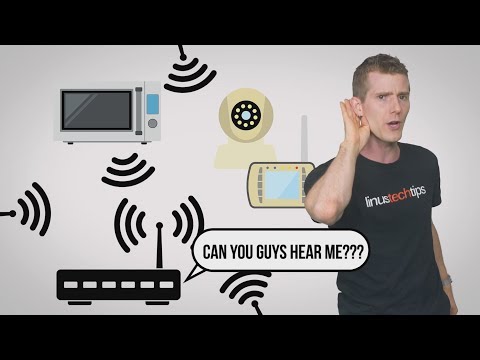
If the problem persists, troubleshoot further. First, restart your router. It's a classic fix for a reason. Then, update your router's firmware. Old firmware can cause problems. Also, check for interference from other devices. Microwaves, cordless phones, and other electronics can also be culprits. Finally, consider your internet speed plan. You might have a plan that may not meet your needs.
The Power of the Human Touch
This seemingly simple scenario highlights a larger truth. The digital world has its quirks. And your Wi-Fi, like any tech creation, loves its space. So, keep an eye on your tech setup. And remember, a little distance can go a long way. You'll notice a noticeable increase in signal quality.
Final Thoughts on a Smooth Connection
In conclusion, are you having issues? The answer might be just an arm's length away. Thus, take back control of your Wi-Fi. You no longer need to deal with daily connectivity frustrations. With this knowledge, you can keep your digital life humming. It's about creating an environment where technology works for you. So, move your laptop. Test your Wi-Fi. Breathe easy, and enjoy the perfect connection!
Laptop Won't Find Wi-Fi? This SHOCKING Trick Fixes It INSTANTLY!Laptop Touching Router? WiFi Meltdown! (Solved!)
Hey tech adventurers! Ever felt like your WiFi was having a personal vendetta against you? One minute you're streaming your favorite show, the next, buffering hell descends. Maybe, just maybe, your laptop and router are locked in a silent, high-frequency battle. Today, we're diving deep into the often-overlooked drama of a laptop touching a router. We'll unravel the mysteries of why this seemingly innocent contact can lead to WiFi woes, and, most importantly, we'll provide solutions that'll have you back online faster than you can say "connection restored."
1. The Unexpected Culprit: Proximity Problems
Let's be honest, we've all done it. Laptop on the coffee table, router nestled nearby, happily humming along. But, as it turned out, there might be a reason why you're getting poor signal. It’s not always the router’s fault. Sometimes, the culprit is… well, you. The simple act of your laptop touching your router can create all sorts of digital chaos. Think of it like two children vying for attention; they constantly are bumping into each other!
2. Radio Waves and the Tangled Web: Why Proximity Matters
WiFi, at its core, is radio waves. They're invisible messengers carrying data across the air. Your laptop, with its WiFi antenna, is essentially an ear, listening for these waves. Your router is the broadcaster. When these two devices physically touch, or are in very close proximity, things can get messy.
Interference: Imagine trying to listen to your favorite song when someone nearby is shouting. That's essentially what happens with the router and laptop. The router's signal can be disrupted, or even absorbed, by the laptop. Kind of like a sponge soaking up water.
Signal Degradation: The wireless signal degrades as it travels in and out, and when the router and laptop are touching (or very close!), this degradation is accelerated. It's like whispering in someone's ear – it's much clearer than shouting across a stadium!
3. Antenna Placement: The Silent Battleground
The placement of antennas on both your laptop and router plays a massive role. Some laptops have antennas cleverly hidden within the screen bezel or the chassis. Routers, on the other hand, might have external antennas that can be positioned. Depending on how these antennas are aligned (or misaligned) when the laptop touches the router, the signal strength can be significantly impacted. Think of it like two individuals trying to have a conversation, both shouting at each other with their backs turned. It’s going to be difficult.
4. Material Matters: What's Your Laptop Made Of?
Believe it or not, the materials of your laptop can also affect WiFi performance.
The Metal Mystery: Laptops with metal casings (especially aluminum) often act as a kind of electromagnetic shield. This can, unfortunately, block or absorb the router's signal, especially when the laptop is touching the router.
Plastic Power: Plastic laptops, while less likely to shield, can still interfere, especially if they contain conductive elements (like metal screws or internal components).
5. Is It Always the Laptop? Examining Other Potential WiFi Wreckers
Before we jump to conclusions, it's important to consider the possibility that the issues lie elsewhere.
Router's Age or Performance: Is your router ancient? It might simply be past its prime and struggle to cope with modern WiFi demands.
Router's Internal Settings: Are you on the right WiFi channel? Is the firmware updated? These factors can significantly affect performance.
Obstructions: Walls, other electronic devices, and even microwave ovens can interfere with your WiFi signal.
6. The First Step: Separate and See
The simplest solution, of course, is to separate your laptop and the router. Even a few inches of space can make a world of difference. I remember when I first noticed this. My laptop was literally on top of my router! After I moved it, I was shocked by how much faster my internet was.
7. Strategic Stance: Optimizing Antenna Placement
Once you’ve separated the devices, now it's time to get tactical.
Router Antenna Adjustment: Experiment with the router's antennas. Try positioning them at different angles to see what works best.
Laptop Positioning: Ensure the laptop isn't directly obstructing any of the router's antennas.
8. Checking for Interference: Other Devices to Consider
Remember that microwave? Or the cordless phone? Any device emitting radio waves could be contributing to the problem. Try to keep other electronic devices away from your router and laptop.
9. Upgrading Your Hardware: When Separation Isn’t Enough
Maybe, despite your best efforts, the problem continues. It might be time to consider upgrading your hardware.
New Router: Modern routers often have better range, speed, and resistance to interference. Consider upgrading.
USB WiFi Adapter: If your laptop's internal WiFi adapter is the issue, a USB WiFi adapter could be a solution.
10. Software Solutions: Tweaking and Troubleshoot
Sometimes, the fix is as simple as a software adjustment.
Router Firmware Updates: Always keep your router's firmware updated.
Wireless Channel Switching: Experiment with different wireless channels on your router to see if that improves performance.
11. The Case of the Metal Laptop: Mitigating the Shielding Effect
If your laptop is made of mainly metal, you'll probably encounter these issues.
Physical Distance: The further you move the laptop away from the router, the better.
External Antennas (if possible): If you can, use a USB WiFi adapter with an external antenna.
12. The Great Router Location Debate: Where Should It Live?
The location of your router is critical. Avoid placing it in enclosed spaces or near metallic objects. The best place is usually in a central, elevated, and open area.
13. Troubleshooting Tips: When All Else Fails
If problems persist, try these extra troubleshooting steps:
- Restart Everything: Reboot your router and laptop.
- Test Your Internet Speed: Run a speed test to check actual speeds.
- Contact Your ISP: Your internet service provider may be able to help diagnose the problem.
14. The Power of the Ethernet Cable: A Wired Solution
If you're really struggling with WiFi, consider a wired connection. Ethernet cables are a reliable way to connect your laptop to your router. It's like having a direct pipeline to the internet!
15. Enjoy Your Seamless WiFi!
By understanding the potential problems of a laptop touching a router and implementing these solutions, you can reclaim your WiFi peace of mind. No more buffering, no more frustration!
Closing Section
We’ve navigated the digital minefield, exploring the connection – or disconnection – between your laptop and router. Remember, with a bit of separation, experimentation, and perhaps a hardware upgrade, you can conquer those WiFi woes! So, go forth, optimize your setup, and enjoy a seamless internet experience. You got this!
FAQs: Your Burning Questions Answered
1. Does having my laptop on top of my router damage either device?
While not likely to damage them physically, it can cause performance issues, leading to frustration and potential overheating.
2. Why is my WiFi still slow even when my laptop isn't touching the router?
There could be several reasons: distance from the router, interference from other devices, outdated firmware, or an overloaded network.
3. Is there a specific type of router that's better at handling laptop interference?
Modern routers with dual-band or tri-band capabilities and advanced interference-mitigation technologies are generally best. Look for routers with features like beamforming.
4. How often should I update my router's firmware?
As often as possible! Most router manufacturers release firmware updates to fix bugs, improve performance, and enhance security.
5. My laptop isn’t touching the router, but I still have problems. What else could be the issue?
Consider the distance between your laptop and the router, the presence of walls and other obstructions, interference from other devices (microwaves, cordless phones, etc.), and any potential issues with your internet service provider.
1) Principal Keywords: Laptop Router WiFi Problem Solved 2) SEO Headline: Laptop & Router WiFi Problems Solved: Easy Fixes! 3) Pathway: WifiSolved 4) Meta Summary: Is your laptop touching your router causing WiFi hell? Find out why & get easy, effective solutions. Discover the ultimate Laptop Router WiFi Problem Solved guide! 5) Image Alt Text: A laptop and router separated, with WiFi signal waves in the background.
American Airlines Laptop WiFi: The SHOCKING Truth You NEED to Know!Chromebook - Wifi Issues, Delete known networks.

By Lakeview Technology Chromebook - Wifi Issues, Delete known networks. by Lakeview Technology
Fix any Internet and Network Issues with this simple trick
By HowtoInsider Fix any Internet and Network Issues with this simple trick by HowtoInsider
WiFi Connected BUT No Internet

By Tech White WiFi Connected BUT No Internet by Tech White

Title: Connected to Wi-Fi, but no Internet Simple Hack to Fix This tutorial wifi
Channel: Jeremy Chapman
Connected to Wi-Fi, but no Internet Simple Hack to Fix This tutorial wifi by Jeremy Chapman
Laptop Working
Laptop Touching Router? WiFi Meltdown! (Solved!)
Navigating the digital landscape often feels like a high-wire act, a delicate dance between connection and disruption. One moment, your laptop is streaming flawlessly, the next, the dreaded "no internet" error message flashes across your screen. When troubleshooting WiFi woes, a seemingly innocuous detail can often hold the key: your laptop's proximity to your router. We've all been there, hunching over our devices, perhaps resting a laptop on, or very near, the WiFi router. But does this seemingly harmless practice truly contribute to signal degradation? And if so, what can be done to restore order to your digital life? Let's explore the intricate relationship between your laptop and your router, specifically addressing the perplexing question: Does physical contact, or even close proximity, result in a WiFi meltdown?
The Electromagnetic Symphony: Understanding Radio Frequencies
To grasp the potential impact of a laptop's position relative to a router, we must first understand the fundamental principles of radio frequency (RF) communication. WiFi, at its core, operates on RF waves, invisible carriers of data that travel through the air. Your router acts as a transmitter, broadcasting these waves, while your laptop's WiFi adapter, a receiver, picks them up. The quality of the connection hinges on the strength and clarity of this signal. Anything that interferes with this delicate exchange can lead to a WiFi meltdown.
Think of it like a delicate orchestra. The router, the conductor. The laptop, the listener. The signal, the music. Any interference, from external forces, can disrupt the harmony and lead to a garbled listening experience.
The Interplay of Electromagnetic Fields: Laptop Radiation and Router Emissions
Both your laptop and your router emit electromagnetic fields (EMFs). Your laptop, in its constant work, constantly emits these EMFs as it sends and receives data. Your router, by design, actively transmits EMFs to communicate. When a laptop is placed directly on, or in close proximity to, a router, these EMFs become entangled. It's essential to examine the potential interactions between the two devices.
Laptop EMFs: Your laptop's internal components, including the processor, graphics card, and WiFi adapter, all emit EMFs as they operate. These EMFs, in the form of radio waves, can potentially interfere with the router's outgoing signal, essentially scrambling the data packets. Depending on the laptop's internal design, and the intensity of these internal emissions, interference will vary.
Router EMFs: Your router, the maestro of your WiFi network, emits EMFs at specific frequencies to transmit data. Routers operate on either the 2.4 GHz or 5 GHz frequency bands. The higher the frequency used by either device, the shorter the range offered, but can result in faster data transfer. The strength of these emissions is designed to penetrate walls, and, ideally, to reach every corner of your home.
The Interference: The crux of the matter is the potential for interference. When the laptop and router are physically close, their EMFs can overlap and interact.
The Case of the Aluminum Shell: Laptop Construction and its Effect on WiFi Signals
The construction materials of a laptop can contribute significantly to the WiFi signal's behavior. Modern laptops often feature aluminum casings to enhance durability. Aluminum is a conductive metal, meaning it can interact with EMFs.
Shielding Effect: Aluminum can act as a shield, absorbing or deflecting some of the router's incoming signals. However, this shielding is not always a positive. It can result in a weakened or distorted signal, hindering the laptop's ability to receive data accurately.
Reflection and Refraction: Aluminum can also reflect and refract radio waves, causing them to bounce around erratically. In close proximity to the router, this can result in a complex interference pattern, potentially leading to connection drops or inconsistencies.
Varying Results: The impact of the aluminum casing will vary depending on the design and the quality of the shielding materials used. Some advanced designs are crafted to minimize interference, while others could inadvertently exacerbate the problem.
The Router's Anatomy: Antenna Placement and Signal Propagation
The physical design of the router, and particularly the placement of its antennas, plays a critical role in signal strength and coverage.
Antenna Types: Routers typically employ internal or external antennas. External antennas give you more flexibility in positioning them for better signal reception. Internal antennas are typically enclosed within the router's housing. It is of great importance to understand the location of these antennas.
Signal Direction: Antennas radiate signals in a specific pattern. Placement is everything. A router positioned on the floor, may have compromised signal propagation. A router perched on a shelf will have a greater chance of offering optimal signal distribution throughout your home.
Router Interference: The way a router emits signals and how those signals interact with the laptop's radiation contribute to WiFi problems.
Practical Solutions and Troubleshooting Steps
If you suspect your laptop's proximity to your router is the culprit behind your WiFi woes, here are practical steps to troubleshoot and resolve the issue:
The Separation Test: The most straightforward test is to move your laptop away from the router. Experiment with different distances, observing the signal strength and connection stability. If you experience a notable improvement in WiFi performance with increased distance, the close proximity was likely a factor.
Router Repositioning: Try relocating your router to a higher vantage point, away from other electronic devices that might cause interference. Clear the immediate area around the router, allowing for unobstructed signal propagation.
Channel Selection: WiFi routers operate on multiple channels. A crowded channel can cause signal congestion. Access your router's settings and select a less-congested channel. Many routers offer automatic channel selection.
Router Firmware Update: Firmware updates often include improvements in signal management and interference mitigation. Regularly check for firmware updates for your router model.
Laptop Configuration: Ensure your laptop's WiFi adapter drivers are updated. Outdated drivers can cause connectivity issues.
Invest in a WiFi Analyzer: Utilize a WiFi analyzer app on your smartphone or laptop to visualize the radio frequency environment and identify potential sources of interference.
Consider a Wired Connection: If consistent connectivity is essential, and your situation allows, consider connecting your laptop directly to the router via an Ethernet cable. This bypasses the WiFi altogether, ensuring a stable and reliable connection.
The Verdict: Proximity and Performance
Generally, placing your laptop directly on your router isn't optimal. While the effect might not always be dramatic, the potential for signal interference is real. Close proximity can, in some cases, contribute to signal degradation, slower speeds, and intermittent connection drops. By implementing the troubleshooting strategies described here, you can establish a healthier relationship between your laptop and router, ensuring a smoother, more reliable WiFi experience. Armed with the knowledge of EM field dynamics, antenna placements, and the physical construction of your devices, you can proactively optimize your home network, reclaiming the freedom of seamless connectivity.
