can't find wifi on asus laptop

Title: How to Fix WIFI not Connecting Not Showing in Windows 10 Asus Laptops
Channel: FIXsage
How to Fix WIFI not Connecting Not Showing in Windows 10 Asus Laptops by FIXsage
can't find wifi on asus laptop, can't find wifi in my laptop, can't find wifi network on my laptop, why can't i see the wifi symbol on my laptop
ASUS WiFi Nightmare? FIX Your Connection NOW!
ASUS WiFi Woes Vanquished: A Guide to Seamless Connectivity
Are you wrestling with a frustrating ASUS WiFi connection? Does your internet frequently drop, leaving you bewildered? If so, you're definitely not alone! Many users experience similar problems. This article is your definitive guide. We'll help conquer those digital demons. Prepare yourself for a smooth, stable, and satisfying online experience!
Decoding the Digital Disconnect: Common ASUS WiFi Glitches
Before diving into solutions, let's acknowledge the usual suspects. We must pinpoint the root cause quickly. This will save you time and frustration. Is your WiFi sporadically disappearing? The answer may be closer than you think. Perhaps your connection is slow. Some problems stem from outdated router firmware. In other cases, interference plays a primary role. Think about your surroundings. Other wireless devices may be causing issues. Knowing the cause is half the battle.
Firmware Fundamentals: Updating Your Router's Brains
First, let's address the software side. Your ASUS router’s firmware is like its brain! Firmware updates often include critical bug fixes. They also improve performance, security, and stability. Luckily, updating the firmware is usually easy. Begin by logging into your router's admin panel. This is typically done through a web browser. Find the "Firmware Update" section. You might find it under "Administration" or "Advanced Settings." Download the latest firmware version specifically for your router model. Follow the on-screen instructions. Be patient during the process! Avoid interrupting the update. After the update completes, you'll likely need to reboot your router. This allows the new firmware to take effect. You will, from then, enjoy improved performance.
Channel Surfing: Finding the WiFi Sweet Spot
WiFi operates on radio frequencies. These are divided into channels. Your router auto-selects a channel at times. However, this channel may be congested. This leads to slower speeds and dropped connections. Fortunately, you can manually adjust your router’s channel settings. Access your router's admin panel, as before. Navigate to the “Wireless” or “WiFi” settings. Look for the "Channel" setting. Try selecting different channels, like 1, 6, or 11. These are less likely to overlap with other devices. Test your connection after each change. In this way, you can determine which channel works best for you. The goal is a clear, strong signal.
Interference Interception: Minimizing Wireless Clutter
WiFi signals can be easily disrupted. Various sources cause interference. Microwave ovens, cordless phones, and Bluetooth devices are common culprits. Locate potential sources of interference. Keep your router away from these devices strategically. Consider the physical positioning of your router. Placing it high up, in a central location, is optimal. Remove any physical obstacles. Walls and metal objects can also weaken the signal. If necessary, try using a WiFi analyzer app. These apps detect other WiFi networks. They also identify potential sources of interference. This information helps you optimize your network.
Reboot Rituals: The Power of the Restart
Sometimes, a simple reboot works wonders. It’s amazing how often it helps! Rebooting clears the temporary files. It also resets the router's internal processes. Unplug your ASUS router from its power source. Wait for about 30 seconds. Plug it back in. Wait for the router to fully restart. Test your internet connection. Frequently, this simple step resolves many issues.
Hardware Hurdles: Assessing Equipment Integrity
Occasionally, the problem lies with your router's hardware. Consider the equipment's age. Is it outdated? Older routers may struggle with modern internet speeds. Check the router's hardware specifications. Make sure it supports your internet plan's speed. If your router is old, consider upgrading. If you are unable to fix the issue, there might be a hardware problem.
Troubleshooting Tactics: Advanced Diagnostics
If basic troubleshooting fails, try more advanced options. Restart your modem. The modem is the device connected to your internet service. Make sure the cables are securely connected. The Ethernet cable is a crucial component. Verify the connection between your computer and the router. Test the connection with another device. This helps to determine if the problem is device-specific. Reset your router to its factory settings. This will erase your custom configurations. Keep in mind that you'll need to set up your network again.
Seeking ASUS Support: When to Call in the Experts
Sometimes, despite your best efforts, the problem persists. In these cases, contact ASUS support. They have specialized knowledge and resources. Provide them with as much information as possible. Describe the problem in detail. Tell them what troubleshooting steps you’ve already tried. They will be able to assist you more effectively.
Conclusion: Reclaiming Your Digital Domain
Dealing with ASUS WiFi problems can be incredibly irritating. However, armed with the right knowledge and techniques, you can conquer these issues. By following the steps outlined above, you can restore your connection. Enjoy a smooth, reliable online experience. Remember to consistently maintain your router. Regularly update firmware. Take steps to address potential interference. With a little effort, your ASUS WiFi nightmares will be gone. You'll be surfing the web without interruption!
HP Laptop WiFi Nightmare? Fix Your Windows 10 Connection NOW!ASUS WiFi Nightmare? FIX Your Connection NOW!
Hey there, fellow internet wanderers! Ever felt like your ASUS router is playing a cruel game of hide-and-seek with your Wi-Fi signal? One minute you're cruising the web, the next you're staring at the dreaded "no internet" message. Trust me, we've all been there. It's like having a Ferrari stuck in traffic – all this potential, but getting nowhere fast. But don't despair! We're diving headfirst into the world of ASUS router woes and are going to equip you with the knowledge to banish those frustrating connection dropouts and finally get your ASUS Wi-Fi humming like a well-oiled machine.
1. The Wi-Fi Woes: Decoding Your ASUS Router's Distress Signals
First things first: understanding the problem. Is your connection constantly dropping? Is the speed slower than molasses in January? Maybe you're getting intermittent lag during those crucial gaming sessions (a personal nightmare, I assure you!). Recognizing the symptoms is the first step towards a cure. Think of it like diagnosing a bad cold – you need to know what's ailing you before you can reach for the cough drops (or, in this case, router fixes).
2. Why Is My ASUS Router Acting Up? The Usual Suspects
Let's play detective! Several culprits could be behind your Wi-Fi woes. Here are some common suspects:
- Outdated Firmware: Think of your router's firmware as its brain. If it's outdated, it's like trying to run a modern operating system on a computer from the stone age. A quick update can often cure a multitude of sins.
- Router Placement: Is your router hidden away in a closet? That's like whispering secrets in a crowded room – nobody's going to hear! Placement can dramatically affect your Wi-Fi signal strength.
- Interference: Neighboring Wi-Fi networks, microwaves, and even Bluetooth devices can all wage war on your signal. It's a crowded internet battlefield out there!
- Overloaded Network: Too many devices connected at once can drain your router's resources, leading to slowdowns and dropouts. Imagine trying to serve a 5-course meal to an army!
- Hardware Issues: Sometimes, the problem is simply a failing component within the router itself. But let's hope we don't need to go there just yet!
3. The Firmware Fix: Updating Your ASUS Router's Brain
Updating your firmware is arguably the most critical step. Think of it as giving your router a brain transplant, equipping it with the latest features and security patches. Here’s how to do it:
- Log In Access your router's settings by typing its IP address (usually 192.168.1.1 or 192.168.50.1) into your web browser.
- Find the Firmware Section - It’s typically under the "Administration" or "Firmware" tab.
- Check for Updates Often, your router will automatically search for updates. Otherwise, you might need to download the latest firmware from the ASUS website (make sure it's the right model!).
- Upload and Restart Follow the on-screen instructions to upload the new firmware and restart your router. This process can take a few minutes, so be patient.
- Remember: Don't interrupt the update process! A power outage during this crucial time is a recipe for disaster.
4. Positioning Power: Optimizing Router Placement for Maximum Coverage
Where your router lives makes a HUGE difference. Placement is everything!
- Central Location: Place your router as close to the center of your home as possible. Think of it like the sun, radiating its energy to all corners of your digital universe.
- Elevated Position: Get it off the floor! Putting it on a shelf or a table helps the signal travel unimpeded.
- Clear of Obstructions: Keep it away from walls, metal objects, and other electronics that can interfere with the signal.
- Antenna Adjustment: Play around with the antennas. Position them vertically, horizontally – experiment to find the best coverage.
5. Wireless Warfare: Combating Interference From Neighboring Networks
The internet can feel like a crowded party sometimes. You need to elbow your way through to get your signal. Here's how to minimize interference:
- Change Wi-Fi Channel: Your router broadcasts on a specific channel. Overlapping channels can cause interference. Access your router's settings and try a different channel (1, 6, or 11 are often recommended).
- Upgrade to 5 GHz: Most modern routers support both 2.4 GHz and 5 GHz bands. The 5 GHz band is generally faster and less congested, but its range might be shorter. Think of 2.4GHz as the old highway and 5 GHz as the new, faster one.
- Channel Width Matters!: Newer routers have more bandwidth. Explore the Channel width settings in your router's settings to ensure optimal performance.
- Wireless Mode: Experiment with different wireless mode settings
- Disable Bluetooth Devices: Devices that use Bluetooth might interfere with your internet
6. Bandwidth Balance: Managing Your Connected Devices
Too many devices demanding data simultaneously can overload your router. Here's how to manage the flow:
- Prioritize Devices: Many routers allow you to prioritize certain devices (like your gaming console) to receive more bandwidth.
- Limit Simultaneous Downloads: If someone in your household is downloading large files, it can hog your bandwidth. Encourage (or enforce) a bit of digital moderation.
- Guest Network: Create a guest network for visitors. This helps isolate their traffic from your primary network, improving stability.
7. Power Cycle Power: The Classic Router Restart
Sometimes, the simplest solution is the most effective. Give your router a good, old-fashioned power cycle:
- Unplug: Unplug your router from the power outlet.
- Wait: Wait for at least 30 seconds. This allows the router to completely reset.
- Plug Back In: Plug it back in and wait for it to boot up.
- Why does this work? A power cycle can clear temporary glitches and refresh the router’s internal processes. Think of it as a digital reset button.
8. The Secret Weapon: Resetting to Factory Settings (Use with Caution!)
If all else fails, you can try resetting your router to its factory settings. This will erase all your custom configurations, so back up any important settings first!
- Locate the Reset Button: Usually a small button on the back of the router.
- Press and Hold: Use a paperclip or similar object to press and hold the reset button for about 10-15 seconds.
- Reconfigure: Your router will reboot and return to its factory settings. You'll need to reconfigure your Wi-Fi network name, password, and other settings.
9. The Hardware Hurdle: Assessing Your Router's Integrity
If you've tried everything else and are still facing issues, it might be time to consider the hardware itself.
- Check the Antennas: Are they properly connected and undamaged?
- Overheating?: Is the router excessively hot? Overheating can affect performance. Ensure adequate ventilation.
- Consider Replacement: If your router is old or failing, it might be time for an upgrade. Modern routers offer better performance and features.
10. Troubleshooting Tools: Using Built-in Diagnostics and Apps
ASUS routers often come with built-in diagnostic tools that can help you pinpoint the source of the problem.
- Check the Router’s Log: The router's log can provide valuable insight into what's happening on your network.
- Use ASUS Router App ASUS provides applications for your smartphone that allow you to control, troubleshoot, and optimize your connection.
11. Speed Test Strategies: Measuring and Improving Your Connection Speed
A speed test will tell you if your speeds match the package you're paying for.
- Run a Speed Test: There are many free speed test websites available.
- Test on Multiple Devices: Test on different devices to see if the issue is specific to one device or the entire network.
- Restart Devices: Ensure you reset the devices before testing.
12. Security Checkup: Protecting Your ASUS Router from Threats
Security is paramount! Protect your router from threats.
- Change the Default Password: Change the default admin password immediately.
- Enable WPA3 Encryption: Use the strongest available encryption (WPA3) to secure your Wi-Fi network.
- Update Firmware Regularly: Updated firmware includes security patches.
13. Gaming Grace: Optimizing Your ASUS Router for Lag-Free Online Gaming
For gamers, a stable connection is a must.
- Prioritize Gaming Devices: Use QoS (Quality of Service) settings to prioritize your gaming console or PC.
- Use a Wired Connection: If possible, connect your gaming device directly to the router with an Ethernet cable for the most stable connection.
- Enable QoS: QoS features in your router can prioritize traffic from your gaming devices.
14.
HP Laptop Wifi Nightmare? FIX This NOW!Wifi option not showing in windows 11 asus laptop

By IT Magics Wifi option not showing in windows 11 asus laptop by IT Magics
Asus Laptop Not Connecting To WiFi FIX Wi-Fi Not Showing

By Your Fix Guide Asus Laptop Not Connecting To WiFi FIX Wi-Fi Not Showing by Your Fix Guide
Fix WiFi Not Showing in Settings On Windows 10 Fix Missing WiFi 2025
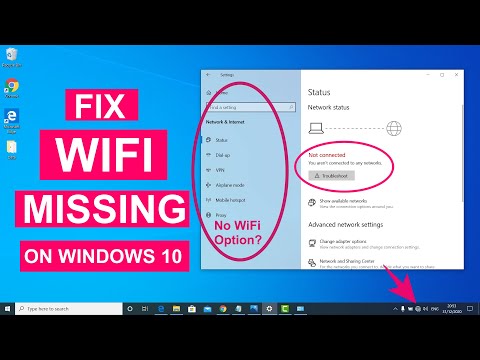
By Sandeep Singh Fix WiFi Not Showing in Settings On Windows 10 Fix Missing WiFi 2025 by Sandeep Singh

Title: ASUS TUF F15 wifi issue solved finally
Channel: Anand R S
ASUS TUF F15 wifi issue solved finally by Anand R S
Laptop Wifi Hotspot
ASUS WiFi Nightmare? FIX Your Connection NOW!
Experiencing persistent WiFi woes with your ASUS router? The frustration of dropped connections, sluggish speeds, and intermittent outages can be maddening. We understand. From diagnosing the root cause to implementing effective solutions, we've meticulously compiled a comprehensive guide to banish those connectivity demons and reclaim your digital life. Let's get your ASUS WiFi functioning as it should.
Pinpointing the Source of Your ASUS WiFi Woes: A Diagnostic Deep Dive
Before we unleash a barrage of solutions, we must first identify the specific ailment plaguing your ASUS network. Is the problem a general slowdown, or are specific devices experiencing issues? Does the WiFi cut out entirely, or does it simply become unreliable? Accurate diagnosis is the cornerstone of a successful remedy.
Device Specific Issues: Begin by examining the performance of different devices connected to your ASUS router. Does your laptop struggle while your smartphone seems fine? Or is it the other way around? This can point towards incompatibility issues, driver problems on the specific device, or even individual hardware limitations. Try connecting a device via Ethernet cable. If performance drastically improves, the issue likely lies with your WiFi setup.
Intermittent Disconnections: Frequent dropouts are a classic sign of interference. The 2.4 GHz band, favored by older devices, is particularly susceptible to interference from microwaves, Bluetooth devices, and neighboring WiFi networks. The 5 GHz band offers more channels and generally experiences less interference, but its range is often shorter.
Slow Speeds: If you are consistently experiencing slow internet speeds, regardless of the device, consider your internet plan and the speed your ISP provides. Run a speed test on a device connected directly to the modem (via Ethernet) to determine if the bottleneck lies with your ASUS router or your internet connection itself. Compare the results to your subscribed speeds.
Coverage Dead Zones: If certain areas of your home lack a strong WiFi signal, your router's placement, internal obstructions, or the physical limitations of the router itself could be to blame. Thick walls, metal objects, and even mirrors can significantly impede WiFi signals.
Essential Troubleshooting Steps: Your First Line of Defense
Now that you've narrowed the scope of the problem, let's roll up our sleeves and implement some fundamental troubleshooting techniques. These are the foundational steps that often resolve the most common WiFi issues.
The Power Cycle Ritual: The simplest, yet often most effective, remedy. Power cycle your ASUS router (unplug it from the power outlet, wait 30 seconds, and plug it back in) and your modem (unplug it, wait 30 seconds, and plug it back in). Allow both devices to fully restart. This clears temporary files, resets the connection, and can resolve many transient issues.
Firmware Updates: The Key to Compatibility and Performance: ASUS frequently releases firmware updates for its routers, addressing bugs, enhancing security, and optimizing performance. Navigate to your ASUS router's web interface (usually accessed by typing the router's IP address, such as 192.168.1.1, into your web browser) and check for firmware updates. Ensure you have the latest version installed. This can dramatically improve stability and sometimes even address specific connection problems.
Channel Optimization: Navigating the Wireless Spectrum: Wireless channels can become congested, especially in densely populated areas. Within your router's web interface, you can access the wireless settings and experiment with different channels for both the 2.4 GHz and 5 GHz bands. Utilizing a WiFi analyzer app on your smartphone or computer can help to identify the least congested channels in your environment.
Router Placement: Maximizing Coverage and Minimizing Interference: Strategic router placement is critical. Position your ASUS router in a central location, free from obstructions like walls, metal objects, and appliances that generate electromagnetic interference (microwaves, cordless phones). Elevating the router can also improve signal propagation.
Advanced ASUS WiFi Troubleshooting: Diving Deeper
If the basic steps haven't yielded the desired results, it's time to delve into more advanced troubleshooting techniques. These options require a bit more technical understanding, but they can often pinpoint and resolve more complex issues.
Wireless Bandwidth Settings: Tailoring Your Network's Capacity: Your ASUS router allows you to configure the wireless bandwidth for both the 2.4 GHz and 5 GHz bands. The 2.4 GHz band typically supports 20 MHz and 40 MHz channel widths, while the 5 GHz band supports wider channels (up to 160 MHz). Wider channels can theoretically provide faster speeds, but they are also more susceptible to interference. Experimenting with these settings could optimize performance.
- 2.4 GHz Configuration: Try setting the channel width to 20 MHz. This can improve stability and range, particularly in environments with significant interference. If you aren't experiencing interference and your devices support it, keeping it at 40 MHz is preferable for additional speed.
- 5 GHz Configuration: Consider using the widest supported channel width (such as 80 MHz or 160 MHz) if your devices and environment can support it. However, be prepared to adjust this setting if you experience instability.
Quality of Service (QoS): Prioritizing Network Traffic: QoS settings allow you to prioritize certain types of network traffic, such as gaming or video streaming, over others. This can help to mitigate lag and buffering issues. Your ASUS router likely has built-in QoS features that you can configure within the web interface. Experiment with prioritizing specific applications or devices to optimize your network experience.
Wireless Security Protocols: Balancing Security with Performance: Ensure your ASUS router is configured with a strong encryption protocol, such as WPA2-Personal or WPA3-Personal. These protocols encrypt the data transmitted over your WiFi network, protecting it from unauthorized access. Older, outdated protocols like WEP offer weaker security and can also sometimes cause connection problems.
MAC Address Filtering: Controlling Network Access: MAC address filtering allows you to restrict access to your WiFi network based on the unique MAC addresses of connected devices. While it's not the primary method of network security, it can add an additional layer of protection and can prevent unwanted devices from consuming bandwidth.
Addressing Specific ASUS Router Issues: Expert Guidance
Certain ASUS router models may exhibit unique problems. Here’s how to handle several common issues with specific ASUS routers.
The ASUS RT-AC68U Series: Addressing Connectivity Challenges: The ASUS RT-AC68U is a popular router, but some users report connectivity issues, particularly with older firmware versions. Make sure you have the most recent firmware installed. If you still face issues, try resetting the router to factory defaults (using the reset button on the back) and reconfiguring it from scratch. Also, check the MTU settings. A lower MTU value (like 1492) can sometimes improve stability.
ASUS AX Series Routers: Making the Most of WiFi 6 (802.11ax): ASUS AX series routers utilize WiFi 6, offering improved speed and efficiency. To maximize performance, ensure your devices also support WiFi 6. Also, check the latest firmware updates, as updates are critical for stability and feature enhancements.
ASUS Mesh Systems (AiMesh): Optimizing Whole-Home Coverage: ASUS AiMesh systems are designed to provide seamless WiFi coverage throughout your entire home. If a node is not working right, make sure it is properly placed in a location that maximizes signal strength. If your nodes are experiencing issues, try repositioning them to optimize coverage, and ensure that the firmware on the master router and all AiMesh nodes is up-to-date. A wired backhaul can improve bandwidth.
When to Seek Professional Help: Knowing Your Limits
While these troubleshooting steps cover a wide range of issues, sometimes the problem may be beyond your expertise.
- Hardware Failures: If your router consistently crashes, exhibits excessive overheating, or if other hardware issues are suspected, it may be time to replace the router.
- Complex Network Configurations: Advanced network configurations, such as those involving VPNs or dynamic DNS, can be tricky to troubleshoot without professional assistance. Contacting ASUS support or a qualified network technician is a good idea.
- Persistent, Unexplained Issues: If you've exhausted all troubleshooting options and the problem persists, a network specialist could help.
Maintaining a Healthy ASUS WiFi Network: Proactive Measures
Preventative maintenance is the key to long-term WiFi bliss.
- Regular Firmware Updates: Make it a habit to check for firmware updates periodically. ASUS releases updates regularly to address issues and enhance performance.
- Password Management: Change your WiFi password periodically, and use a strong, complex password.
- Bandwidth Monitoring: Monitor your network usage periodically. This can help you identify bandwidth-hungry devices or applications that could be slowing down your connection.
- Regular Router Reboots: Reboot your router once a month to maintain optimal performance.
By following these steps, you can troubleshoot and resolve most ASUS WiFi issues efficiently. With some patience and persistence, you'll get your ASUS network functioning flawlessly.
