hp pavilion laptop caps lock flashing and wifi button red
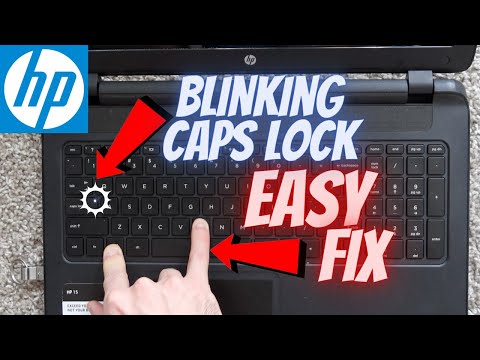
Title: Hp Laptop No Display Caps Lock Blinking FIXED BIOS Recovery Reinstall with USB
Channel: thecollegepicker
Hp Laptop No Display Caps Lock Blinking FIXED BIOS Recovery Reinstall with USB by thecollegepicker
HP Pavilion Nightmare: Flashing Caps Lock & Red WiFi? FIX IT NOW!
HP Pavilion’s SOS: Decoding the Flashing Caps Lock & Red WiFi Signals
Ever stared at your HP Pavilion, heart sinking as the Caps Lock light blinked furiously, and the WiFi icon glowed an angry red? That sinking feeling is familiar. Those flashing signals are your laptop’s distress call. It's time to dive in and rescue your digital companion. Don't panic, we'll navigate this tech tempest together.
The Caps Lock Coded Conspiracy: What's It Really Saying?
Ah, the Caps Lock light. It flashes, but what message does it relay? The blinking frequency often hints at the problem. Before you even think about data loss, observe. First, note how many times the light blinks. Is it a steady flicker, or does it pause before repeating? This pattern carries vital clues. This blinking code is HP’s way of communicating. Different blink sequences signal different issues. Therefore, understanding the code is crucial.
For example, two blinks often suggest a RAM issue. Three blinks could mean a problem with your motherboard. Further, the number of blinks is just the beginning. Consequently, you'll need to start troubleshooting. So, grab a notepad and pen; it’s time to become your laptop’s detective.
Step 1: The Power Drain Protocol – A Fresh Start
First, perform a power drain. This simple step can often work wonders. It's a digital reset. Shut down your HP Pavilion. Completely disconnect the power adapter. Now, take out the battery. Next, press and hold the power button for a full minute. Yes, a whole minute! This drains any residual power. After that, replace the battery and plug in the adapter. Try restarting your laptop. Hopefully, this simple trick solves the issue.
Step 2: RAM Rescue – A Memory Lane Intervention
If the Caps Lock continues its Morse code, let's address the RAM. RAM, or Random Access Memory, is vital for your laptop. It’s where your computer stores active data. Remove the bottom panel of your HP Pavilion. Usually, there are small screws to remove. Be careful, and note where everything goes. Find the RAM sticks. Gently remove and reseat them. Use a soft brush to clean the RAM slots, too. Sometimes, dust is the culprit. After reseating, reinstall the panel. Now, try restarting your laptop again. Hopefully, the RAM reset works.
Step 3: WiFi Woes – Taming the Red Blinking Beast
Let's shift gears to the red WiFi light. That ominous glow screams connectivity problems. This one often revolves around the wireless adapter. Start by checking the physical switch on your laptop. Make sure the WiFi is enabled. Also, check the Windows settings. Make sure your WiFi is switched on. Next, check your network connection. Ensure your router is working correctly. Check your internet cable is securely plugged in. Still no luck? You might need to update your network adapter driver. Open Device Manager. Expand Network adapters. Find your wireless adapter. Right-click and select "Update driver." Follow the on-screen instructions.
Step 4: BIOS Blues – Checking the System Heartbeat
Sometimes, the BIOS needs attention. The BIOS, or Basic Input/Output System, is your computer's core firmware. Accessing the BIOS depends on your precise HP Pavilion model. Typically, you press a specific key (like F2, F10, or Delete) during startup. If you can get into the BIOS, look for any error messages or warnings. Ensure your boot order is correct. Double-check the date and time. There could be a small internal battery on the motherboard. Consult your HP Pavilion’s manual.
Step 5: The Ultimate Reset – When All Else Fails
If these steps fail, consider a system restore. Think of this as a time machine for your laptop. It returns your system to a previous state. Before beginning, ensure you back up your data. Search for "Create a restore point." In the System Properties window, click "System Restore." Then, select a restore point from before the issues began. Follow the prompts. This can be a lifesaver. However, remember, data loss is a possibility.
Beyond the Blinks: Prevention is the Best Antidote
Preventative care is crucial. Keep your HP Pavilion clean. Avoid using it in dusty environments. Install a reputable antivirus program. Regularly back up your important files. Download software updates promptly. These tips enhance your laptop's health. Moreover, they will avoid future headaches.
When to Call in the Cavalry: Professional Help
If these steps don’t work, don't despair. It might be time for expert help. Locate a trusted computer repair shop. Explain the issues and steps you've taken. A professional technician will diagnose the problem. They possess specialized tools and knowledge. They can fix complex hardware problems.
Final Thoughts: Get Your HP Pavilion Back on Track
The flashing Caps Lock and red WiFi light aren't the end of the world. They are fixable problems. By following these steps, you can troubleshoot. Remember to remain calm and methodical. You now have the knowledge to fight back. You've got this. Get your HP Pavilion back up and running. Your digital life awaits!
Download ASUS Windows 7 64-bit WiFi Driver: Fix Your Connection NOW!HP Pavilion Nightmare: Flashing Caps Lock & Red WiFi? FIX IT NOW!
Alright, let's be honest. We've all been there. You're cruising along, maybe catching up on that amazing show everyone's talking about, or maybe attempting to actually be productive, and BAM! Your HP Pavilion decides to throw a tantrum. The Caps Lock light starts blinking like a strobe light at a bad rave, the WiFi light's a menacing shade of red, and you're left staring at a frozen screen, wondering if you accidentally angered the tech gods. Fear not, fellow sufferers! We've navigated these digital potholes before, and we're here to guide you through the HP Pavilion nightmare. Consider this your survival guide!
1. The Caps Lock Flash Dance of Doom: Decoding the Blinking Code
First things first: that flashing Caps Lock light isn't just a random act of digital rebellion. HP, ever the helpful friend, uses these flashes to give you a heads-up about what's really going sideways. Think of it as your PC's cryptic Morse code. The frequency and pattern of the flashes usually indicate a hardware issue. For instance, a repeating pattern of flashes often points to a problem with the memory (RAM) or the BIOS. Don't panic! We'll walk you through the best ways to diagnose and, hopefully, fix it. It’s like deciphering a secret message, only instead of treasure, you get your computer working again.
2. Red Alert WiFi: When the Internet Goes Incognito
A red WiFi light is, well, a red flag. It means your Pavilion is struggling to connect to the internet. Think of your WiFi as a highway – the red light signifies a roadblock. This could be a simple glitch, or it might indicate something more serious with your network adapter or router. Let's get back on that highway! We'll explore common culprits and simple fixes to get your WiFi back online so you can get back to streaming, surfing, and, you know, working.
3. Before You Freak Out: The Quick & Dirty Troubleshooting Checklist
Before you start tearing your hair out (we’ve all been there!), let’s hit the basics. Often, the simplest solutions are the most effective. It’s like trying to fix a leaky faucet – try tightening the handle before calling a plumber, right?
- Restart Your Pavilion: The classic. Turn it off, wait a minute, and turn it back on. This often clears temporary glitches. Think of it as a digital reset button.
- Restart Your Router: Unplug your router for about 30 seconds, then plug it back in. This can refresh your internet connection. It's like giving your internet a power nap.
- Check All Cables: Make sure all the power and network cables are securely connected. A loose cable can be a major source of frustration.
- Run the HP Hardware Diagnostics: Many HP Pavilions have built-in diagnostic tools. Access them by pressing F2 or F10 during startup. These tests can pinpoint hardware problems.
4. Memory Madness: RAM and the Caps Lock Flash
If the Caps Lock light is flashing in a specific pattern, it could be a RAM (Random Access Memory) issue. RAM is like your computer's short-term memory. If it's faulty, your computer can struggle to function.
- Reseat the RAM: This involves opening your computer and physically removing and reinserting the RAM sticks. Warning: Make sure your computer is unplugged before you do this. Consult your Pavilion's manual for instructions specific to your model. It's like putting a contact lens back in – delicate, but potentially effective.
- Test Different RAM Sticks: If you have multiple RAM sticks, try removing one at a time and restarting your computer. This can help isolate a faulty stick.
5. BIOS Blues: The Motherboard’s Silent Cry
The BIOS (Basic Input/Output System) is the software that initializes your computer when you turn it on. Problems here can also trigger flashing Caps Lock lights.
- Update Your BIOS: Visit the HP support website and find the BIOS update for your specific Pavilion model. Download and install the update – but be very careful! Incorrect BIOS updates can brick your computer. It's like giving your computer a software facelift – can be amazing, but requires careful planning.
6. WiFi Woes: Diving Deeper into the Red Light Realm
If the WiFi light is red, there are a few potential culprits beyond the simple restart of your router/computer:
- Driver Issues: Outdated or corrupted network adapter drivers can cause connectivity problems. Visit the HP support website and download the latest drivers for your WiFi adapter. Think of this like updating the GPS on your car – guides you to the right destination.
- Hardware Failure: The WiFi adapter itself could be faulty. This is less common, but it happens. In this case, you might need to replace the adapter.
- Software Conflicts: Certain software, like VPNs or firewalls, can sometimes interfere with your internet connection. Try disabling them temporarily to see if it helps.
7. The "Windows Troubleshooters" Gambit: Your Built-In Tech Helpers
Windows has built-in troubleshooters that can often resolve common problems. These are like mini-tech wizards living inside your computer.
- Network Troubleshooter: Go to Settings > Network & Internet > Status, and run the network troubleshooter.
- Hardware and Devices Troubleshooter: In the Windows search bar, type "troubleshoot" and select "Troubleshoot settings." Look for the "Hardware and Devices" troubleshooter.
8. Running Malware Scans: Is a Virus at Play?
Malware can wreak havoc on your computer, including interfering with your networking and triggering other issues.
- Run a Full Scan: Run a full scan with your antivirus software. Make sure your virus definitions are up-to-date.
- Consider a Second Opinion: Use a different malware removal tool to scan your system.
9. The “System Restore” Revival: Rolling Back Time
If the problems started recently, you can try System Restore to revert your computer back to a previous state. It's like a time machine for your computer.
- Access System Restore: Search for "Create a restore point" in the Windows search bar. Select "System Restore" and choose a restore point from before the problems started.
10. "Clean Boot" to Isolate the Culprit: The Software Detective
Sometimes, a program or service is causing the problem. A clean boot can help identify the culprit by starting Windows with a minimal set of drivers and startup programs.
- Perform a Clean Boot: Type "msconfig" in the Windows search bar and hit enter. Go to the "Services" tab and check "Hide all Microsoft services." Then, click "Disable all." Go to the "Startup" tab and disable all startup items. Restart your computer. If the problem is gone, you know one of the startup programs was the issue.
11. Check the Physical Connection: Is Your Hardware Truly Connected?
Sometimes, the simplest solution is the one we overlook. Let’s go back to basics.
- Examine the WiFi Adapter: If you're comfortable, open up your Pavilion (after turning it off, of course!) and visually inspect the WiFi adapter. Make sure it's properly seated in its slot.
- External USB Adapter: If you're really stuck, consider a USB WiFi adapter. They're inexpensive and can be a temporary (or even permanent) fix if your built-in adapter is causing problems.
12. The "Factory Reset" Option of Last Resort: The Nuclear Option
If all else fails, you might consider a factory reset. This will wipe everything and return your computer to its original state. Warning: This will delete all your personal files and data, so back up everything important before you begin! This is like a fresh start on a clean slate – only for your computer. Consult your HP Pavilion's manual for specific instructions.
13. When to Call in the Cavalry: Seeking Professional Help
Sometimes, the problem is beyond your DIY capabilities. Don't be afraid to seek professional help.
- Contact HP Support: Their website has resources, including phone support. Be ready with your model number and a description of the problem.
- Local Repair Shop: A local computer repair shop can diagnose the problem and offer solutions.
14. Preventative Measures: Keeping Your Pavilion Happy and Healthy
Prevention is key in avoiding future technological headaches.
- Keep Your Software Updated: Ensure your operating system, drivers, and software are consistently updated.
- Regular Backups: Back up your files regularly. External hard drives and cloud storage are your friends!
- Use Antivirus and Anti-Malware Software: Protect your computer from malicious software.
- Proper Ventilation: Ensure your Pavilion has good ventilation to prevent overheating.
15. Conclusion: Back to Smooth Sailing
So, there you have it! We've journeyed through the HP Pavilion nightmare together, tackled flashing lights and red WiFi, and hopefully, found a solution to get your PC back on track. Remember, stay calm, follow the steps, and don't be afraid to ask for help. Like fixing a car, sometimes it’s a simple tweak, sometimes it needs a complete overhaul. But
Mac Laptop WiFi Hotspot: The Ultimate Guide (Secret Trick Inside!)How To Fix All Laptop Not Turning On Caps Lock Blinking 2020 5 Methods
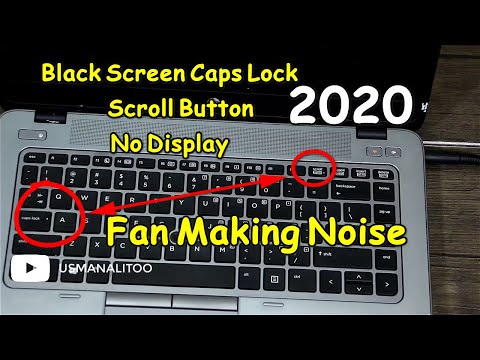
By usmanalitoo How To Fix All Laptop Not Turning On Caps Lock Blinking 2020 5 Methods by usmanalitoo
Hp EliteBook 725 Display issue Fix Caps lock and NumLock Blinking fix

By KH COMPUTERS Hp EliteBook 725 Display issue Fix Caps lock and NumLock Blinking fix by KH COMPUTERS
hp laptop power button light and keyboard light blinking continuously - Hp Elitebook 840 G1 On Off

By info topic hp laptop power button light and keyboard light blinking continuously - Hp Elitebook 840 G1 On Off by info topic

Title: HP Laptop with Power and Caps Light Button On - Simple Fix
Channel: Technesia
HP Laptop with Power and Caps Light Button On - Simple Fix by Technesia
Laptop Wifi Connect
HP Pavilion Nightmare: Flashing Caps Lock & Red WiFi? FIX IT NOW!
Experiencing the dreaded flashing Caps Lock light and the ominous red WiFi indicator on your HP Pavilion? You're not alone. This common frustration, often accompanied by frustrating connectivity issues, can bring your workflow to a grinding halt. But before you resign yourself to costly repairs or, worse, replacement, let's delve into a comprehensive troubleshooting guide designed to get your HP Pavilion back on its feet. We'll equip you with the knowledge and the steps necessary to conquer this technological hurdle and restore your peace of mind.
Understanding the Symptoms: Decoding the Flashing Caps Lock & Red WiFi
The flashing Caps Lock light, a pulsating beacon of digital distress, typically signals a deeper problem. It's often a cryptic message, conveyed by your HP Pavilion's internal systems. Specifically, the blinking action, combined with the appearance of a red WiFi indicator, often points to a critical system error. These indicators can also point to the severity of the problem. It's akin to a digital distress signal, communicating the need for immediate attention. Meanwhile, the red WiFi light, often coupled with inability to connect to your local wireless network, usually signifies a network connectivity issue or a problem with the wireless NIC on your laptop. Both of these symptoms combined should not be taken lightly. We will dissect the most probable root causes of these frustrating issues.
Step-by-Step Troubleshooting: Restoring Your HP Pavilion
The remedies available for these issues will vary, depending on your particular HP Pavilion model, and the underlying cause of the problem. Consider the following steps, following them sequentially, from the least intrusive to the most involved:
1. Power Cycle: The First Line of Defense
The power cycle or hard reset presents a straightforward step. Execute a proper power cycle to clear temporary glitches and restore the operating system. It seems trivial, but often resolves numerous issues:
- Shutdown and Unplug: Completely shut down your HP Pavilion. Unplug the power adapter and remove the battery.
- Hold the Power Button: Press and hold the power button for a minimum of 30 seconds. This action drains any residual power from the system components.
- Reconnect and Restart: Replace the battery (if you removed it), plug in the power adapter, and restart your HP Pavilion.
Observe carefully whether the Caps Lock light is still flashing. Is the WiFi indicator still appearing red? If the problems persist, continue troubleshooting.
2. Check Physical Connections and the Wireless Network
Hardware issues with the wireless card, external router, or local network connections can all cause connectivity problems.
- Inspect the Router: Check your router's power supply and ensure it's operational. Restart the router to address potential software glitches. You may need to consult the router's manual.
- Verify the Network Cable: If your Pavilion allows for a wired connection, ensure the Ethernet cable is securely connected to both the laptop and the router.
- Check Network Settings: Go to your laptop's network settings. Verify that your WiFi is turned on and search for available networks. Confirm that your computer attempts to connect to the proper WiFi network.
If the red WiFi light remains, and you still cannot connect, progress to the subsequent steps.
3. Hardware Diagnostics: Unearthing System Problems
HP provides built-in diagnostic tools. You must leverage these to identify potential hardware failures. Launch the HP PC Hardware Diagnostics tool:
- Power On and Access the BIOS: Power on your HP Pavilion and immediately begin pressing the Esc key repeatedly. This action will display a startup menu.
- Select System Diagnostics: From the startup menu, select "System Diagnostics". This option may vary depending on the specific model.
- Run the Tests: Follow the on-screen instructions to perform a thorough system test. This test often includes memory (RAM) and hard drive or SSD checks.
- Review the Results: Once the tests are complete, examine the results. If any errors are reported, note the specific error codes. These codes often guide you to the faulty component. A RAM error can often cause these exact issues.
If the diagnostics reveal hardware failures, these are usually handled via repair or replacement.
4. Driver Management: Restoring the Software Bridge
Outdated or corrupted drivers can result in the flashing Caps Lock light or the red WiFi indicator. Reinstalling and updating device drivers can solve many problems.
- Access Device Manager: Right-click the Start button and select "Device Manager."
- Update WiFi Driver: Locate the "Network adapters" section. Expand it and find your wireless network adapter (e.g., Intel Wireless-AC 9560). Right-click and select "Update driver." Choose "Search automatically for drivers." If this is the first step, you should restart your computer here.
- Update Other Drivers: If the WiFi issue persists, consider updating other crucial drivers, such as display adapters or chipset drivers. Often, these drivers are related.
- Manually Download Drivers: If automatic updates fail, visit the HP support website. Enter your specific HP Pavilion model number to download the latest drivers for your operating system.
5. BIOS Updates: Patching the Firmware
BIOS (Basic Input/Output System) firmware is responsible for the basic functions of your PC. Outdated BIOS can cause system instability and hardware conflicts.
- Visit HP Support: Visit the HP support website. Enter your HP Pavilion model number to download the latest BIOS update.
- Follow the Instructions: HP provides detailed instructions for the BIOS update process. Carefully follow these instructions.
- Important Note: Be extra cautious when updating the BIOS. Ensure your laptop is connected to a stable power source. Interrupting the process can leave your computer unusable. Back up important data before updating the BIOS.
6. Operating System Recovery: Reinstalling the Foundation
If all other troubleshooting steps fail, a fresh operating system installation might be necessary. This method resolves software conflicts and system corruption.
- Create a Backup: Back up all your important data.
- Use Recovery Media: Use the HP recovery media (USB drive or DVD) to reinstall Windows. HP PCs often come with a built-in recovery partition.
- Clean Install: Consider a clean install if you have a Windows installation disc. This step allows you to eliminate all software conflicts and install a fresh operating system.
- Reinstall Drivers: After the OS is reinstalled, you will need to install the device drivers.
7. Advanced Troubleshooting: When Expert Assistance is Required
If the issues persist despite these steps, you should consider professional assistance. You may need to contact HP support or seek advice from certified computer repair technicians. The problem might be hardware-related and require component replacement.
Preventative Measures: Protecting Against Future Issues
Implement these practices to minimize the likelihood of experiencing these issues again:
- Keep Your Software Updated: Regularly update your Windows operating system, drivers, and applications.
- Use Antivirus Software: Install reputable antivirus software and run regular scans to protect your system from malware infections.
- Monitor Your System: Keep an eye on your HP Pavilion's performance. Any unusual behavior should be addressed promptly.
- Clean Your Laptop Regularly: Dust and debris can accumulate inside your laptop. Clean it on a regular basis.
Concluding Thoughts
The flashing Caps Lock light and the red WiFi indicator on your HP Pavilion can certainly cause panic. Don't worry! By methodically following these steps, you can often take control of the situation, troubleshoot the problem, and get your HP Pavilion operational again. Should you still face challenges, do not hesitate to seek professional assistance. With the right approach, you can effectively transform this frustrating experience into a manageable troubleshooting exercise. Enjoy your now functional HP Pavilion!
