802.11ac laptop wifi card for asus x55c

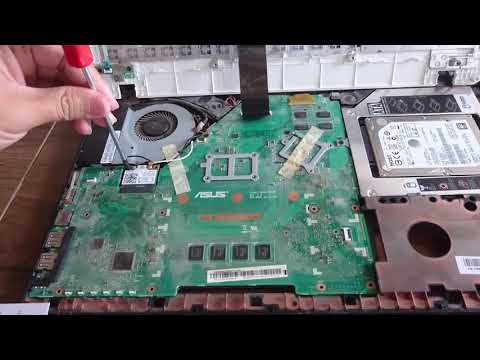
Title: How to Replace Wireless Card on an Asus Laptop X70S
Channel: Zorro Computers
How to Replace Wireless Card on an Asus Laptop X70S by Zorro Computers
Asus X55C WiFi Upgrade: Blazing-Fast 802.11ac Speed!
Unleash the Beast: Giving Your ASUS X55C a WiFi Renaissance
Ready to catapult your aging ASUS X55C into the modern wireless age? It's time for a serious upgrade—one that'll leave you wondering how you ever lived without it. We’re diving headfirst into transforming your trusty laptop from a digital turtle into a cheetah. This isn't just about faster downloads, though that's a major perk. Instead, we're talking about a whole new level of online experience.
Why Your ASUS X55C Craves an 802.11ac Overhaul
Let’s face it: Your ASUS X55C, a workhorse in its day, is probably showing its age in the WiFi department. The older 802.11n standard it likely sports is a bottleneck. It prevents your laptop from reaching its full potential. Streaming that 4K video? Forget about it! Lagging during online gaming? A common occurrence. Therefore, the solution is clear: an 802.11ac upgrade.
This upgrade provides a massive leap in speed and range. Think of it as trading in your old, congested two-lane highway for a gleaming, multi-lane superhighway. You’ll witness significantly less buffering. You’ll experience smoother gameplay. Plus, you’ll get a more reliable connection across your home. Considering the affordability of 802.11ac adapters nowadays, it's a simple, cost-effective way to breathe new life into your laptop.
Choosing the Right 802.11ac Adapter for Your ASUS X55C
Now, the key is choosing the right 802.11ac adapter. Fortunately, the process is straightforward. First, decide. Will you opt for an internal upgrade or an external USB adapter?
Internal Upgrade: This requires a bit more technical knowledge. You'll need to open up your laptop and replace the existing WiFi card. However, the advantage is a cleaner, more integrated look. Plus, internal cards often offer slightly better performance.
External USB Adapter: This is the easiest route. You simply plug the adapter into a USB port. It’s ready to go. USB adapters are incredibly convenient and often very affordable.
When selecting a card or adapter, remember to check the specifications. Make sure it supports 802.11ac. Also, consider the number of spatial streams. More streams generally mean faster speeds. Furthermore, look for dual-band support (2.4 GHz and 5 GHz). 5 GHz offers faster speeds, while 2.4 GHz provides better range.
Step-by-Step Guide to Installing Your New WiFi Adapter
Let's get to the fun part: the installation.
Internal Upgrade:
- Power down your ASUS X55C and unplug the power adapter.
- Consult your laptop's manual. This is crucial. It outlines the specifics of disassembling your model.
- Remove the battery. Safety first!
- Locate the WiFi card. It's usually accessible by removing a panel on the bottom of the laptop.
- Unscrew the old card. Carefully unplug the antenna wires.
- Insert the new card. Attach the antenna wires to the new card.
- Secure the card. Replace the panel and the battery.
- Power on your laptop. Install the drivers if needed.
External USB Adapter:
- Simply plug the adapter into an available USB port.
- Install the drivers. Follow the manufacturer’s instructions.
- Your new WiFi is ready.
The Magic of Blazing-Fast 802.11ac: What to Expect
Prepare to be amazed. Once you connect to your 802.11ac network, you’ll truly understand the difference. You’ll notice that web pages now load faster. Downloads are completed in a fraction of the time, too. Streaming video will become flawless. The lag in gaming that you are already familiar with will vanish, as well. Overall, your online experience will feel smoother and more responsive. It will be like you’ve upgraded your internet plan.
Troubleshooting Common WiFi Problems
What if things aren't working perfectly? Here are a few troubleshooting tips:
- Check drivers. Ensure you have the latest drivers installed for your adapter.
- Restart your router. Sometimes, a simple reboot can fix connectivity issues.
- Ensure the router is in range. Avoid obstacles like thick walls.
- Change the channel. Interference can occur on crowded channels. Change the channel settings on your router.
Conclusion: A New Lease on Digital Life
Upgrading the WiFi on your ASUS X55C is a rewarding project. It's a relatively inexpensive way to revitalize your laptop. It enhances your digital life significantly. Therefore, embrace the power of 802.11ac. You’ll be glad you did. This simple change delivers a noticeable improvement. It will definitely make you feel like you've got a brand-new machine. So, go forth, upgrade, and enjoy the blazing-fast WiFi speed!
Score FREE United WiFi on Your Laptop: The Ultimate Hack!Asus X55C WiFi Upgrade: Blazing-Fast 802.11ac Speed!
Hey everyone, welcome! Ever felt like your trusty old ASUS X55C laptop was running on dial-up while everyone else was zipping along on the information superhighway? We’ve all been there. That sluggish WiFi? It’s enough to make you want to hurl your laptop across the room, right? Well, hold on to your hats, because we're about to ditch the snail-paced internet and propel your ASUS X55C into the glorious age of blazing-fast 802.11ac WiFi! This upgrade isn’t just about faster downloads; it’s about reclaiming precious time, enjoying seamless streaming, and finally, finally experiencing the internet the way it was meant to be. Prepare to be amazed!
1. Why Your ASUS X55C Needs a WiFi Makeover
Let's face it. The ASUS X55C, while a solid performer in its day, is showing its age in the WiFi department. Those standard 802.11n WiFi cards? They're the digital equivalent of a horse and buggy in a world of Teslas. They’re perfectly functional, sure, but incredibly slow and prone to dropping connections. Think of trying to watch your favorite show on Netflix and getting constantly buffering. Frustrating, right? An 802.11ac upgrade is like giving your trusty old laptop a shot of adrenaline. You’ll experience significantly faster speeds, wider coverage, and a more stable connection. It's a game changer!
2. Understanding the WiFi Alphabet Soup: 802.11n vs. 802.11ac
Okay, before we dive into the nitty-gritty, let’s decode the WiFi alphabet soup. The 802.11 standards are basically the different versions of WiFi.
802.11n (What you probably have): This is the older standard, offering decent speeds, but can be a bottleneck for modern internet usage. Think of it as a two-lane road.
802.11ac (What we want): This is the newer, faster standard. It’s like a multi-lane highway. It boasts significantly higher speeds, the ability to handle multiple devices simultaneously, and improved range. This means less lag, more streaming, and a better overall online experience. Trust me, the difference is noticeable.
3. The Perks of Going 802.11ac: More Than Just Speed
Upgrading to 802.11ac isn't just about speed, although that’s a massive perk! Here’s a breakdown of the other benefits:
- Improved Stability: Fewer dropped connections, less buffering. It’s like your internet finally gets a good night's sleep.
- Wider Coverage: You’ll be able to roam further from your router without losing signal strength. Freedom to browse!
- Handles Multiple Devices: 802.11ac is designed to handle multiple devices simultaneously, so everyone in the house can enjoy fast internet without fighting over bandwidth.
- Faster Downloads and Streaming: Download that game in a flash. Stream movies without those infuriating interruptions. Pure bliss!
4. Assessing Your ASUS X55C: Is It Worth the Upgrade?
Good question! Before you jump in, let's make sure this upgrade is a good fit for your ASUS X55C. The good news is, unless your laptop is practically ancient, chances are, it’s worth it.
- Check Your Current WiFi Card: The easiest way is to go to Device Manager (search for it in the Windows search bar). Expand "Network adapters." Look for your current WiFi adapter. If it says 802.11n, then you're a prime candidate for upgrading.
- Consider Your Usage: Do you stream movies, play online games, or transfer large files frequently? If so, faster WiFi is a must.
- Factor in Your Router: For optimal benefits, you'll need an 802.11ac compatible router. If you already have one, great! If not, factor the cost of a router into your budget.
5. Choosing the Right 802.11ac WiFi Card: Navigating the Market
Alright, let's pick out a new WiFi card. This is where a bit of research comes in handy.
- Form Factor: Your ASUS X55C likely uses a Half Mini PCI-e card. Double-check the specifications!
- Compatibility: Make sure the card is compatible with your operating system (Windows 7, 8, or 10).
- Brand Reputation: Look for established brands like Intel, TP-Link, or ASUS themselves. They’re generally more reliable.
- Features: Consider features like Bluetooth (if you want it) and advanced antennas.
We're looking for speed, performance, and reliability.
6. Gathering Your Tools: What You'll Need
Let's get prepared! You'll need:
- A new 802.11ac WiFi card (duh!)
- A small Phillips head screwdriver.
- An anti-static wrist strap (to protect your laptop's sensitive components). Optional, but recommended.
- A clean, well-lit workspace.
- Patience!
7. Step-by-Step Guide: Installing Your New 802.11ac Card
Okay, here's the fun part! Now, there is a caveat: this involves opening up your laptop. If you're not comfortable with that, consider getting professional help.
- Power Down and Unplug: Turn off your laptop and unplug the power adapter. Remove the battery for extra safety.
- Locate the Access Panel: On the bottom of your ASUS X55C, there's usually a panel covering the RAM, hard drive, and WiFi card. You may need to consult your laptop's manual for its exact location.
- Remove the Panel: Unscrew the panel. Be gentle!
- Ground Yourself: Put on your anti-static wrist strap.
- Locate the WiFi Card: It's a small card held in place by screws and antenna wires.
- Disconnect the Antenna Wires: Carefully detach the antenna wires from the old WiFi card. They snap off. Remember where they go, or take a picture!
- Remove the Screws: Unscrew the screws holding the old WiFi card in place.
- Remove the Old Card: Gently pull out the old card.
- Install the New Card: Align the new 802.11ac card and slide it into the slot.
- Screw It In: Secure the card with the screw(s).
- Attach the Antenna Wires: Snap the antenna wires onto the new card. Make sure they’re securely connected.
- Replace the Panel and Screws: Put the access panel back on and tighten the screws.
- Reinsert the Battery: If you removed it.
- Boot Up and Install Drivers: Power on your laptop. The new card might need drivers to work. Usually, Windows will find and install them automatically. Otherwise, download the drivers from the manufacturer's website.
You just did it!
8. Fine-Tuning Your Connection: Optimizing Performance
You've installed the new card! Awesome. Now, let’s tweak things for peak performance:
- Update Router Firmware: Ensure your router has the latest firmware. This can improve performance and security.
- Position Your Router: Place your router in a central, elevated location, away from walls and obstructions.
- Choose the Right Channel: Use a WiFi analyzer app (available for smartphones) to find the least congested channel for your WiFi network.
- Prioritize Traffic: In your router settings, you might be able to prioritize traffic for your laptop. This will make sure your laptop gets the bandwidth you need.
9. Troubleshooting Common Issues: When Things Go Wrong
Sometimes things don't go as planned. Here's what to do if you run into problems:
- No WiFi Connection: Double-check that the antenna wires are securely connected to the new card. Check your router settings. Restart your laptop and router.
- Slow Speeds: Ensure you're connecting to your 5 GHz network (it's faster than the 2.4 GHz). Update your drivers. Make sure nothing is interfering with your signal.
- Driver Issues: Reinstall the drivers from the manufacturer's website.
- Card Not Detected: Double-check that the card is properly seated in the slot. Contact support if the issue persists.
10. Testing Your New Speeds: Putting It to the Test
Now for the fun part!
- Speed Test Websites: Use websites like Speedtest.net or Fast.com to measure your download and upload speeds. Compare the results with your old speeds.
- Real-World Testing: Download large files, stream movies, and play online games. Notice the difference?
11. Maximizing Your 802.
Acer Aspire E1-431 Wi-Fi Fix: Get Online NOW!How to upgrade Wi-Fi card in laptop

By Fahim Anjum How to upgrade Wi-Fi card in laptop by Fahim Anjum
Leptop Wi-Fi Card Deiimi Asus X550C
By Bunu Yapmak ok Kolay Leptop Wi-Fi Card Deiimi Asus X550C by Bunu Yapmak ok Kolay
Top 5 Router in 2023

By Review Man Top 5 Router in 2023 by Review Man

Title: Instalar fcil MacOS en cualquier notebook o laptop desde Windows, Linux o MacOS mtodo prohibido
Channel: Luquioto
Instalar fcil MacOS en cualquier notebook o laptop desde Windows, Linux o MacOS mtodo prohibido by Luquioto
Change Wifi Settings
Asus X55C WiFi Upgrade: Unleash Blazing-Fast 802.11ac Speed!
The Asus X55C, a stalwart of the budget-friendly laptop market, has served countless users faithfully. However, its aging 802.11n wireless adapter, while functional in its time, now represents a significant bottleneck in the modern digital landscape. Streaming high-definition video, engaging in online gaming, or simply browsing the web can become frustratingly slow when hampered by outdated WiFi technology. Fortunately, a straightforward and cost-effective upgrade to 802.11ac offers a dramatic transformation, breathing new life into your trusty Asus X55C and delivering a vastly improved wireless experience. This comprehensive guide outlines everything you need to know to seamlessly upgrade your X55C's WiFi capabilities, ensuring you enjoy blazing-fast speeds and a consistently reliable connection.
Understanding the WiFi Bottleneck: Why 802.11n is Holding You Back
The 802.11n standard, the original WiFi protocol baked into the Asus X55C, was a significant advancement when it was introduced. Offering theoretical speeds up to 300 Mbps, it initially provided ample bandwidth for common tasks. However, the technological landscape has rapidly evolved. Modern internet speeds, especially those prevalent with fiber optic and cable internet, routinely exceed 300 Mbps. Furthermore, the demands placed on our WiFi networks have also grown exponentially. The proliferation of connected devices – smartphones, tablets, smart TVs, and smart home gadgets – creates congestion, further diminishing the performance of an 802.11n connection. This congestion coupled with the original design of the 802.11n standard is the reason your wireless is not delivering the best speeds.
The 802.11ac standard, on the other hand, offers a substantial performance leap. Boasting theoretical speeds ranging from 433 Mbps up to several gigabits per second. This is capable of supporting the current data streams and the congestion of today's connected homes. 802.11ac also utilizes more efficient technologies, notably beamforming, which focuses the WiFi signal directly towards the device, enhancing range and stability. The result is a significantly faster, more reliable, and overall more enjoyable wireless experience. Upgrading to 802.11ac is not merely a technical upgrade; it's an investment in a smoother, more seamless digital life.
Identifying Your Asus X55C's Current WiFi Configuration
Before you rush into an upgrade, it is essential to pinpoint the specifics of your Asus X55C's current WiFi configuration. This crucial step avoids any compatibility issues and helps you select the optimal upgrade components, which in the case of this particular model, it's more important than usual.
- Access Device Manager: Within Windows, right-click the "Start" button and select "Device Manager."
- Expand Network Adapters: In the Device Manager window, click the arrow next to "Network adapters" to view the list of installed network devices.
- Locate the Wireless Adapter: Identify your Asus X55C's wireless adapter. The name will typically include the manufacturer and model identifier (e.g., "Atheros AR9002WB-1NG").
- Check Adapter Properties: Right-click the wireless adapter and select "Properties."
- Examine the Capabilities: In the "Properties" window, navigate to the "Advanced" tab. Look for settings related to the 802.11 protocol. You will likely find the setting "802.11n" if your notebook is still running on the original adapter.
This process helps confirm the existing hardware installed in your Asus X55C and provides valuable information as you move forward.
Choosing the Right 802.11ac Wireless Adapter: A Guide to Compatibility
Selecting the correct 802.11ac wireless adapter is paramount for a successful upgrade. The Asus X55C utilizes a Mini PCIe (also known as Mini PCI Express) slot for its wireless adapter. This is a common form factor for laptop wireless cards.
- Form Factor: Ensure the new adapter is a Mini PCIe card. Standard PCI Express cards that are often used in desktop computers are not compatible.
- Antenna Connectors: Verify the new adapter has the same number of antenna connectors as your original adapter. The Asus X55C typically has two antenna wires.
- Vendor Compatibility: While most Mini PCIe 802.11ac adapters are designed to be relatively universal, always confirm the compatibility with your specific laptop model.
- Chipset Selection: Popular chipset manufacturers for 802.11ac adapters include Intel, Broadcom, and Qualcomm Atheros. Researching reviews regarding different chipset performance in similar scenarios will help you make a good choice.
- Advanced Features: Consider the additional features offered by certain adapters, such as MU-MIMO (Multi-User, Multiple-Input, Multiple-Output), which can enhance performance when multiple devices are connected to the same network.
Thorough research and careful selection are crucial to ensure that your new adapter seamlessly integrates with the Asus X55C.
Step-by-Step Installation: Upgrading Your Asus X55C's Wireless Card
Once you have acquired your new 802.11ac WiFi adapter, the next step is the installation process. The following instructions outline the procedure for replacing the wireless card in your Asus X55C. Always disconnect the power adapter and remove the battery before opening the laptop's casing. Work in a well-lit area, and observe anti-static precautions to protect the electronic components.
- Power Down and Disconnect: Completely shut down your Asus X55C, unplug the power adapter, and remove the battery. Consult your laptop's user manual for instructions on battery removal.
- Access the Wireless Card Compartment: Your Asus X55C model will require you to remove the keyboard to access the WiFi card. Using a plastic opening tool or a thin, non-marring tool, gently pry the keyboard away from the chassis, working around the edges. With the keyboard removed you should be able to see the mini PCIe card.
- Locate the Wireless Card: The wireless card is typically located near the bottom of the laptop. It is a small green circuit board.
- Disconnect the Antenna Wires: Carefully detach the two antenna wires from the existing wireless card. These wires usually snap onto the card. Be extremely delicate and do not force them. Take a photo of this stage, so you can refer to it during reassembly.
- Remove the Securing Screw: Locate the small screw securing the wireless card in place. Unscrew it carefully.
- Remove the Old Wireless Card: Gently pull the old wireless card out of the Mini PCIe slot. The card might be held in place by a slight spring mechanism. If it's not working on the first try, check for a small latch.
- Install the New Wireless Card: Align the new 802.11ac card with the Mini PCIe slot and firmly press it down until it clicks into place.
- Secure the New Card: Replace the securing screw to hold the new card in place.
- Reconnect the Antenna Wires: Carefully reattach the antenna wires to the corresponding connectors on your new wireless card. Refer to the photograph you took earlier to ensure the wires are connected properly.
- Re-assemble: Replace the keyboard, ensuring it clicks securely back into place.
- Battery and Power Up: Reinstall the battery. Plug in the power adapter and power on your Asus X55C.
Installing Drivers and Configuring Your New 802.11ac Adapter
Upon booting up your Asus X55C with the new 802.11ac adapter installed, you will need to install the necessary drivers to ensure the card functions correctly.
- Driver Acquisition: Download the latest drivers for your new 802.11ac adapter from the manufacturer's website or from a reliable source like the device's support page. It is important to use the latest drivers available for the adapter.
- Driver Installation: Locate the downloaded driver setup file and run it. Follow the on-screen instructions to install the driver. You may need to restart your Asus X55C after the installation is complete.
- Verify Installation: After restarting, go to Device Manager (as described earlier in this guide) and check if the new wireless adapter is recognized and functioning without errors. The device name should be recognizable.
- WiFi Network Configuration: Once the drivers are installed, and your laptop recognizes the new adapter, connect to your 802.11ac WiFi network. Enter your network's password when prompted.
- Router Optimization: Make sure your wireless router is 802.11ac compatible. If your router is older, an upgrade may be necessary to achieve the full potential of your new wireless adapter. Consult your router's documentation for optimal configuration settings.
- Troubleshooting: If you experience any issues, consult the adapter's documentation and ensure that your router's firmware is up to date. Disable power-saving features in the adapter's properties if necessary, as these can occasionally hinder performance.
**Maximizing Your 802.11ac Performance: Tips and Tricks
