best wifi for laptop
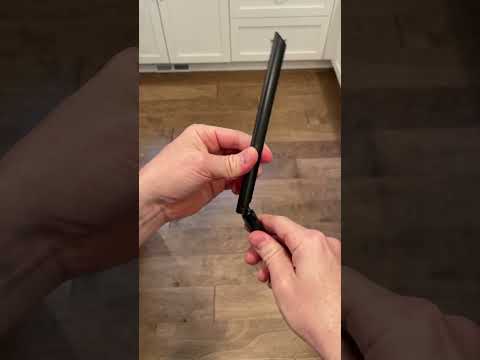
Title: Great, Easy-To-Use USB WiFi5 Adapter from TP-Link
Channel: Aaron's Test Lab
Great, Easy-To-Use USB WiFi5 Adapter from TP-Link by Aaron's Test Lab
best wifi for laptop, best internet for laptop, best internet for laptop on the go, good wifi for laptop, best wifi card for laptop, best wifi dongle for laptop, best portable wifi for laptop, best wifi card for laptop 2024, best wifi card for laptop reddit, best wifi router for laptop
Laptop WiFi: Unleash Lightning-Fast Speeds!
Unleash Your Laptop's Inner Speedster: Decoding WiFi Wizardry!
Ever felt your laptop's WiFi was moving at the pace of a sloth in molasses? Frustration, right? We've all been there. Thankfully, it doesn’t have to be that way. Today, we're diving deep. We'll unearth the secrets to unlocking truly lightning-fast WiFi speeds on your trusty laptop.
Beyond the Buzzwords: Understanding Your WiFi Ecosystem
First, let's clarify some misunderstandings. WiFi isn't just magic; it’s a complex dance of technology. It involves your laptop, your router, and the invisible airwaves. The strength of your connection depends on these three. Consequently, understanding them is crucial to achieving optimal performance. Furthermore, think of your router as a highway. Your laptop is your car. The available bandwidth (the highway's lanes) dictates your top speed.
Router Revelation: The Gateway to Gigaspeed
Now, let’s talk routers. They are the unsung heroes (or sometimes villains) of your WiFi experience. Consider upgrading your router. It could be the single biggest game-changer. Also, modern routers use advanced technologies. Moreover, these technologies boost speed and reliability. Look for routers using the latest WiFi standards, like Wi-Fi 6 (802.11ax) or Wi-Fi 6E.
These technologies offer significant improvements. They provide greater capacity. They also reduce congestion. Therefore, you get faster speeds. However, assess your needs. A high-end router may be overkill for basic browsing. But, it's worth the investment if you stream 4K videos or game online.
Laptop Levers: Tweaking for Top-Tier Performance
However, the router is only part of the puzzle. Your laptop's internal components also matter. Ensure your laptop's WiFi adapter is up-to-date. It needs to support the latest WiFi standards. Furthermore, older adapters struggle with modern protocols. This causes substantial bottlenecks.
So, check your laptop’s specifications. Determine its WiFi capabilities. Fortunately, many laptops automatically update. Nevertheless, manual checking is a good practice. Go to your network settings. Look for driver updates. This simple step can significantly improve your connection. Also, consider your physical surroundings.
Strategic Placement: Mastering the Art of Router Real Estate
Location, location, location! Yes, it applies to your router. Where you position your router really matters. Place your router in a central, elevated location. Thus, it can broadcast signals unhindered. Avoid putting it in a cupboard. Avoid placing it near walls. Also, avoid other electronic devices.
Obstructions degrade the signal. Therefore, place the router in an open area. This way, it can reach all your devices. Consider purchasing a WiFi range extender. Consequently, it can boost the signal in dead zones.
Frequency Finesse: Navigating the WiFi Spectrum
WiFi operates on different frequency bands. The two main bands are 2.4 GHz and 5 GHz. The 2.4 GHz band offers longer range. Nevertheless, it often suffers from interference. It is due to other devices using the same frequency.
The 5 GHz band offers faster speeds. However, it has a shorter range. It is less prone to interference. In fact, many modern routers offer both. Thus, you can choose the band that best suits your needs. If you're close to the router, use 5 GHz. For extended coverage, use 2.4 GHz.
Troubleshooting Titans: Conquering Connection Chaos
Even with the best setup, problems arise. So, understand some basic troubleshooting steps. First, restart your router. It is the oldest trick in the book. It often resolves temporary glitches. Secondly, update your laptop's network drivers.
Check for firmware updates for your router. They often contain performance enhancements. Also, eliminate potential sources of interference, such as microwaves. Finally, run a speed test. Thus, you can gauge your actual speed.
Beyond the Basics: Advanced Optimization Tactics
Now, let's go beyond basic tips. Several advanced techniques can further optimize your WiFi. Consider using Quality of Service (QoS) settings. QoS prioritizes certain network traffic. For example, gaming gets priority. It ensures a lag-free experience.
Moreover, explore your router’s settings. You'll find options for channel selection. This improves performance. It avoids congestion on crowded channels. Furthermore, secure your network. Use a strong password. Encrypt your connection. This prevents unauthorized access.
Embrace the Speed: Your Laptop's WiFi Odyssey
Finally, mastering your laptop's WiFi is a journey. It’s not a one-time fix. Instead, it requires continuous optimization. Experiment with different settings. Monitor your performance. Make adjustments as needed. Embrace the joy of a fast, reliable WiFi connection. Therefore, experience the freedom of seamless browsing, streaming, and gaming.
Mirror Your Macbook to Your TV: The SHOCKINGLY Easy Wifi Trick!Laptop WiFi: Unleash Lightning-Fast Speeds!
Hey there, fellow tech enthusiasts! Ever felt like your laptop's WiFi is stuck in slow-motion, while the rest of the internet races ahead? We've all been there. You settle in to binge-watch your favorite show, only to have it buffer every five seconds. Or, you're in a crucial video call, and suddenly… frozen screen! Ugh, the frustration! But don’t despair! Today, we're diving deep into the magical world of laptop WiFi, revealing the secrets to unlocking lightning-fast speeds and banishing those buffering blues. We'll explore everything from the basics to advanced troubleshooting, helping you transform your laptop into a WiFi speed demon. Buckle up; it's going to be a fast ride!
1. The Wireless Warfare: Understanding Your WiFi Connection
Think of your WiFi as a highway. Your laptop is the car, and the internet is the destination. Now, a congested highway leads to slower speeds. Understanding the different "roads" (WiFi standards) your laptop uses is step one in speeding up your connection. We're talking about WiFi versions like 802.11ac, 802.11ax (aka WiFi 6), and the new kid on the block, WiFi 6E. These are the different protocols your laptop uses to communicate with your router. Each version is an upgrade, with faster speeds and better efficiency. Checking your laptop's specifications will reveal which standard it supports. Don't worry if the technical jargon gets a bit much; we'll keep it simple.
2. The Router's Role: Your WiFi's Central Command
Your router is the traffic controller of your WiFi network. It's the heart of your home network, deciding which devices get access and how much bandwidth they get. A poorly performing router can be the biggest bottleneck. Just like a weak processor can slow down your laptop, a lackluster router can throttle your WiFi.
Router Placement: Think of your router as the hub of your home's WiFi web. Placing it centrally, away from walls and other obstructions, is crucial. Walls, furniture, and even appliances like microwaves can interfere with the signal, weakening it. Imagine trying to shout across a crowded stadium – the signal gets lost in the noise!
Router Updates: Just like your laptop's software, your router's firmware needs updates too! These updates often contain security patches, and performance improvements that can boost your WiFi speeds. Check your router manufacturer’s website or your router's settings to download the latest firmware.
3. Location, Location, Location: Optimizing Your Laptop's Position
Where you position your laptop within range of your router plays a massive role. Consider this: you wouldn't expect your car to run well if it's parked miles away in the desert.
Distance Matters: The closer your laptop is to the router, the stronger the signal will be. If you're constantly working in a remote corner of your house, consider moving your workspace nearer.
Obstacle Course: Walls, mirrors, and metal objects can act as barriers. Experiment with moving your laptop slightly to see if it improves performance.
4. The Bandwidth Battle: 2.4 GHz vs. 5 GHz
Routers typically broadcast on two different frequency bands: 2.4 GHz and 5 GHz. Think of them as two different lanes on the same highway.
2.4 GHz: This band has a wider range and handles obstacles better, but it's often slower and more prone to interference from other devices like microwaves or Bluetooth gadgets. It's like the slow lane of the highway.
5 GHz: This band offers faster speeds and less interference, making it ideal for streaming, online gaming, and video calls. However, its range is shorter, and it doesn't penetrate walls as well. It’s the fast lane.
The best solution? Try both! Experiment with connecting to each band and see which delivers the best performance in your specific environment.
5. Channel Surfing: Finding the Sweet Spot
Imagine your WiFi signal broadcasting on a specific channel. If your neighbors' WiFi networks are all using the same channel, it causes congestion, similar to traffic jams on the highway. Changing your router's channel can sometimes clear up this congestion.
Router Settings: Most routers will automatically select the best channel. However, you can often manually change it within your router's settings.
Channel Finder Apps: Apps can analyze the channels around your location and identify the least congested one, providing you with an alternative.
6. The Power of Restart: Your WiFi's "Ctrl+Alt+Delete"
Sometimes, the simplest solutions are the best. Just like rebooting your laptop can fix many issues, restart your router.
- Unplug & Wait: Unplug your router from the power outlet, wait about 30 seconds, and then plug it back in. This clears the router's memory and refreshes its connection.
7. Update Your Drivers: Keeping Your WiFi Card in Top Shape
Your laptop's WiFi card needs drivers to function correctly.
- Driver Updates: Outdated drivers can cause performance issues. Go to your device's manufacturer website and update your WiFi card drivers.
8. Firewall Factor: Security and Speed in Sync
Firewalls, while vital for security, which is equally important as speed, can sometimes interfere with your internet connection.
- Exceptions: Ensure your firewall isn't blocking any internet traffic from your laptop. You can often create exceptions for frequently used apps.
9. Bandwidth Hoggers: Identifying the Culprits
Is someone in the house streaming 4K videos or downloading large files? These bandwidth-hungry activities can hog your WiFi.
Monitor Usage: Use your router's settings or monitoring software to see which devices are using the most bandwidth.
Limit Usage: If needed, limit the bandwidth used by these devices to alleviate congestion.
10. Malware Mayhem: The Silent Thief of Speed
Malware can significantly slow down your WiFi.
- Scan Regularly: Regularly check your laptop for malware. Use a reputable antivirus product and install it in your devices.
11. Hardware Hacks: Upgrading Your WiFi Card
If you've tried everything and are still dissatisfied, you might consider upgrading your laptop's WiFi card, depending on your laptop model and the specific hardware upgrade possibilities of your device.
- Internal Upgrades (Carefully): Some laptops allow you to upgrade to a new WiFi card that supports the latest standards. This can take some tech expertise.
12. Mobile Hotspot Alternative
In certain situations, you might choose the hotspot provided by your mobile device over the wifi in your house.
- Mobile Data: Using your mobile's data plan might provide faster speeds.
13. Wired Connection: The Gold Standard for Speed
When speed is of the essence, a wired Ethernet connection is always the gold standard.
- Ethernet Port: Connect your laptop directly to your router using an Ethernet cable. This bypasses the wireless network entirely, providing the most stable and fastest connection.
14. Testing, Testing: Measuring Your WiFi Speed
Knowing your current speed is crucial.
- Speed Test Websites: Websites like Speedtest.net can measure your download and upload speeds. This helps you identify if your speed is as fast as it should be based on the service plan.
15. The Ultimate Checklist: Troubleshooting Your WiFi Woes
Let's encapsulate all the steps!
- Restart: Restart your router and laptop.
- Placement: Ensure your router is centrally located and isn't blocked.
- Bands: Experiment with the 2.4 GHz and 5 GHz bands.
- Drivers: Update your WiFi card drivers.
- Malware Scan: Run a malware scan.
- Check Hardware: Consider upgrading your WiFi card.
- Wired Connection: If possible, use an Ethernet cable.
Conclusion: Unleashing Your WiFi's Full Potential
So there you have it! We’ve walked through a comprehensive guide to supercharging your laptop's WiFi. From understanding the inner workings of your connection to troubleshooting common problems, we've explored the various avenues to help you achieve those lightning-fast speeds. By implementing these tips, you’ll be well on your way to enjoying smooth streaming, lag-free gaming, and seamless video calls. Remember, a little patience and experimentation can go a long way. Now, go forth and conquer those buffering bars! Happy browsing!
FAQs: Your WiFi Questions Answered
1. My WiFi is slow, even when close to the router. What should I do?
- First, restart your router and laptop. Ensure there are no physical obstructions between your laptop and the router. If the problem persists, update your WiFi card drivers and consider switching to the 5 GHz band if available. Also, check other devices connected to your network to ensure they aren't using excessive bandwidth.
2. How often should I restart my router?
- There's no set frequency, but restarting your router once every week or two can help maintain optimal performance. It’s like giving your router a little reset button, and your connection can start fresh.
3. Is WiFi 6 better than WiFi 5?
- Yes! WiFi 6 (802.11ax
USB-C to Ethernet Gigabit Adapter for usb adapter apple windows macbook dell adapter rj45

By Anushka Wijesooriya USB-C to Ethernet Gigabit Adapter for usb adapter apple windows macbook dell adapter rj45 by Anushka Wijesooriya
WiFI Card vs USB WiFi Adapter Check out this comparison

By ADVANTI WiFI Card vs USB WiFi Adapter Check out this comparison by ADVANTI
Best Wi-Fi Adapter Dongle for PC Desktop 2024 Top Picks Full Review & Comparison

By Brand Investigation Best Wi-Fi Adapter Dongle for PC Desktop 2024 Top Picks Full Review & Comparison by Brand Investigation

Title: Dell Latitude E 5470 Series Laptop Wifi Ethernet Not Working Problemmacniteshkeyboardtricks2024
Channel: Mac Nitesh
Dell Latitude E 5470 Series Laptop Wifi Ethernet Not Working Problemmacniteshkeyboardtricks2024 by Mac Nitesh
My Laptop Work
Laptop WiFi: Unleash Lightning-Fast Speeds!
We all crave it – that seamless, lag-free internet experience. The ability to stream, download, video conference, and browse without suffering the dreaded buffering wheel. Our laptops, our constant companions in work and leisure, are often the weakest link in the chain, their WiFi capabilities sometimes feeling like a relic of a bygone digital era. Fear not, fellow users! We’re here to guide you through the fascinating world of laptop WiFi, cracking the code to lightning-fast speeds and unlocking the full potential of your wireless connection.
Understanding Your Laptop's WiFi Anatomy
Before we dive into optimization, let's dissect the essential components that govern your laptop’s WiFi performance. This knowledge forms the bedrock of our speed-boosting strategies.
The WiFi Adapter: The Wireless Gateway: Your laptop’s WiFi adapter is its radio receiver and transmitter, the hardware that translates digital data into radio waves and vice versa. Think of it as the antenna and the radio receiver rolled into one. It comes in various forms, often integrated directly onto the motherboard to save space. The adapter is typically responsible for supporting specific WiFi standards, each with its own speed capabilities. The latest standards, like WiFi 6E (802.11ax) and WiFi 6 (802.11ax), offer vastly improved speeds and efficiency compared to their predecessors.
The Antenna: Broadcasting the Signal: Hidden within your laptop’s chassis are the antennas, crucial for both sending and receiving the WiFi signal. They come in various configurations, often subtly integrated into the screen bezel or the lid itself. The quality and placement of these antennas can dramatically impact the range and strength of your WiFi connection. More antennas often mean better performance, particularly in crowded environments.
The Router: Your Home’s WiFi Hub: Your wireless router is the central point of your home network. It communicates with your internet service provider (ISP) and broadcasts the WiFi signal that your laptop detects. A high-quality router, equipped with the latest WiFi standards, is essential for optimal performance. Consider your router the conductor of the wireless orchestra: a weak conductor equals a weak performance.
The Operating System and Drivers: The Software Architects: The operating system (Windows, macOS, Linux) and the device drivers (software that allows your operating system to communicate with the WiFi adapter) play a critical role. Up-to-date drivers are essential for compatibility, security, and maximizing your adapter’s performance. Outdated drivers can be a major bottleneck, hindering even the most advanced WiFi hardware.
Maximizing Your Laptop's WiFi Performance: Practical Strategies
Now, let's get hands-on. Here are proven techniques to catapult your laptop's WiFi speeds into the stratosphere.
1. Update Your WiFi Adapter Drivers: This is the low-hanging fruit of performance optimization. Manufacturers regularly release driver updates that improve performance, address security vulnerabilities, and enhance compatibility. Here’s how to do it:
- Windows: Right-click the Start button and select "Device Manager." Expand the "Network adapters" section. Right-click on your WiFi adapter (e.g., "Intel Wi-Fi 6 AX200") and select "Update driver." Choose "Search automatically for drivers."
- macOS: macOS often handles driver updates automatically. However, it’s a good practice to keep your operating system updated as it often includes the latest network drivers.
- Linux: The method varies depending on your distribution. Consult your distribution’s documentation for driver updates.
2. Optimize Your Router Settings: Your router is the control centre of your wireless network, and its settings directly influence your laptop’s WiFi speeds.
- Channel Selection: WiFi routers broadcast on different channels. Overlapping channels can lead to interference and slow speeds, especially in densely populated areas. Access your router's configuration interface (usually by typing its IP address into your web browser). Select a less congested channel (e.g., channels 1, 6, or 11 for 2.4 GHz networks). Your router may have an "auto" setting, but manual selection can offer more control. Use a WiFi analyzer app on your smartphone or another device to identify the least congested channels.
- WiFi Standard: Ensure your router is configured to use the latest WiFi standard supported by your laptop (e.g., Wi-Fi 6 (802.11ax) or Wi-Fi 5 (802.11ac)).
- Router Firmware: Just like your laptop, your router needs updates. Check your router manufacturer’s website for the latest firmware and follow their instructions to update it. Firmware updates often include performance improvements and security patches.
- WPA3 Security: Enable WPA3 encryption for enhanced security and potential performance benefits.
3. Strategic Laptop Placement: Where you place your laptop makes a difference.
- Proximity to the Router: The closer your laptop is to the router, the stronger the signal, and the faster the speeds.
- Obstruction Minimization: Solid objects like walls, metal appliances, and microwaves can weaken the WiFi signal. Position your laptop and router to minimize obstructions.
- Elevated Positioning: Elevating your router and laptop can improve signal propagation. Try placing your router on top of a shelf or cabinet.
4. Fine-Tuning Windows 10/11 Power Settings: Power management can sometimes throttle your WiFi adapter’s performance.
- Performance Mode: In Windows, search for "power plan." Choose a "High performance" or "Ultimate Performance" power plan. These plans prioritize performance over battery life.
- Adapter Power Settings: In "Device Manager," expand "Network adapters," right-click your WiFi adapter, select "Properties," and go to the "Power Management" tab. Uncheck "Allow the computer to turn off this device to save power."
5. Troubleshooting Common WiFi Issues: If you're still facing problems, consider these troubleshooting steps.
- Restart Your Devices: Restart your laptop, your router, and your modem. This simple step can often resolve temporary glitches.
- Check Your Internet Speed: Run a speed test (e.g., Speedtest.net) to verify your internet speed and compare it to what you’re paying for. If your speed is significantly lower than expected, contact your ISP.
- Isolate the Problem: If other devices on your network have slow speeds, the issue might be with your internet connection or your router. If other devices are performing well, the problem likely lies with your laptop.
- Network Reset: As a last resort, you can reset your network settings. In Windows 10/11, go to "Settings" > "Network & Internet" > "Status" and click "Network reset." This will reinstall your network adapters and reset your network settings to their defaults.
Beyond the Basics: Advanced WiFi Optimization Techniques
For the truly hardcore WiFi enthusiasts, here are a few more advanced techniques:
1. Consider a WiFi Extender/Mesh Network: If your laptop struggles with WiFi coverage in certain areas of your home, consider investing in a WiFi extender or a mesh network system. Extenders simply rebroadcast the existing WiFi signal, while mesh networks create a seamless network with multiple access points, ensuring consistent coverage throughout your home.
2. Invest in a High-Performance WiFi Adapter (If Possible): Some laptops allow you to upgrade the WiFi adapter. If your laptop’s adapter is outdated or substandard, upgrading it to a more modern option can significantly boost speeds. Research compatibility before purchasing a new adapter.
3. Optimize Your Operating System’s Network Settings: Linux and MacOS offer advanced network configuration options. Linux users can use command-line tools to further diagnose and optimize network performance. MacOS users have a network utility within the "Utilities" folder that offers control over network parameters.
4. Monitor Network Usage: Use network monitoring tools to identify bandwidth hogs on your network. Applications like Wireshark can help you analyze network traffic and pinpoint which devices or applications are consuming the most bandwidth.
Conclusion: Your Path to Lightning-Fast Laptop WiFi
Unleashing lightning-fast WiFi speeds on your laptop is within your reach. By understanding the underlying technology, implementing the strategies outlined above, and staying proactive in your maintenance, you can transform your wireless experience from frustrating to fantastic. Embrace the opportunity to fully leverage the power of your laptop, streaming, working, and connecting with unparalleled speed and efficiency. Say goodbye to buffering and hello to a world of seamless connectivity. Happy surfing!
