laptop freezes when wifi is enabled

Title: How to Fix Windows 1011 freezes on WiFi
Channel: ASA Technical
How to Fix Windows 1011 freezes on WiFi by ASA Technical
Laptop Freezing? WiFi's the Culprit! (Solved!)
Is Your Laptop a Glitchy Mess? Wi-Fi Might Be the Real Villain! (And Here's How to Fix It!)
Feeling frustrated with your laptop's sluggish performance? That spinning wheel of death a familiar foe? Before you toss your tech out the window, consider this: your Wi-Fi connection might be the sneaky culprit behind the chaos. In fact, it’s a more common problem than you might realize. So, let's dive in and unravel this digital dilemma.
Spotting the Wi-Fi Freeze: Recognizing the Symptoms
First things first, how do you know Wi-Fi is the issue? Well, several telltale signs often emerge. Is your laptop repeatedly freezing, even when seemingly idle? Does the cursor become a slow, unresponsive blob? Subsequently, are applications taking ages to load, or crashing altogether? Perhaps, websites load at a glacial pace. These are all strong indicators that something is amiss. Also, have other devices on the same network experienced similar issues? If so, Wi-Fi is likely the prime suspect. It is a good place to start.
Decoding the Digital Drama: Why Wi-Fi Causes These Headaches
Now, let's delve into why this happens. Your Wi-Fi connection is a lifeline. It keeps your laptop connected to the digital world. However, it can experience bottlenecks. Data travels at various speeds. The signal has to navigate walls and other obstructions. In addition, bandwidth congestion can occur. Here's a breakdown. Slow speeds can grind your laptop to a halt. Intermittent connections can trigger freezes. Interference from other devices using the same frequency can cause problems. Consequently, these issues manifest as the frustrating performance hiccups you're experiencing.
Troubleshooting Tactics: Your Wi-Fi Fix-It Cheat Sheet
Okay, enough diagnosing. It’s time to act. Fortunately, resolving Wi-Fi-related laptop woes doesn’t necessitate a tech degree. Here's how to troubleshoot and hopefully achieve a solution.
Restarting Your Router: The Easy First Step
The simplest fix is often the best. Therefore, restart your router and modem. This is like a digital reset button. Unplug both devices from their power source. Wait about 30 seconds. Plug the modem back in first. Wait for it to fully power up. Then, plug the router back in. Observe if performance improves. You should see a difference. The reboot clears temporary glitches.
Check Your Wi-Fi Signal Strength: A Vital Metric
A weak signal is a common culprit. How strong is your Wi-Fi signal? Look at your laptop's Wi-Fi icon. It's usually in the system tray. It will show you the signal strength. Lower bars often mean problems. Try moving closer to the router. Does the signal improve? Therefore, that could be your solution. If the signal remains weak throughout your home, consider a Wi-Fi extender.
Update those Drivers: Software Matters
Outdated network drivers can lead to issues. These ensure your computer communicates effectively. Check your laptop manufacturer's website. Download the latest Wi-Fi drivers for your model. Install them. Restart your laptop. Moreover, you will have the newest drivers and experience.
Network Congestion: Identifying and Addressing the Flow
Too many devices using the same network can lead to congestion. This can significantly slow things down. Reduce the number of devices streaming videos or downloading large files simultaneously. Prioritize your laptop's connection. This will help you utilize bandwidth.
Wireless Interference: Taming the Airwaves
Microwaves, Bluetooth devices, and even certain appliances can interfere with your Wi-Fi signal. They operate on similar frequencies. So, try moving your router away from potential sources of interference. Also, consider changing your router's Wi-Fi channel. You can find this setting in your router's configuration.
Malware Check: Scan for Unwanted Guests
Sometimes, malware can hog your network resources. Run a full scan using your preferred antivirus software. Ensure it's up-to-date. Therefore, it can identify and remove any malicious programs. Furthermore, this can improve performance.
Factory Reset (Last Resort!): When All Else Fails
If you've tried everything else, a factory reset might be necessary. This restores your laptop to its original settings. Back up your important data first. The process will erase everything. Consult your laptop's manual for specific instructions. Before you do this, consider contacting tech support.
Beyond the Basics: Proactive Measures for Future Performance
Want to prevent future Wi-Fi woes? Here are some proactive steps.
Regularly Update your Router's Firmware: Stay Ahead of the Curve
Manufacturers release firmware updates to improve performance and security. So, check your router's settings for updates. Keep your router up-to-date with the latest enhancements.
Optimize Your Router's Placement: Strategic Positioning
Place your router in a central, open location. Avoid placing it near walls or metal objects. These obstructions can reduce signal range.
Consider a Dual-Band Router: A Bandwidth Bonus
Dual-band routers offer both 2.4 GHz and 5 GHz frequencies. The 5 GHz band offers faster speeds. However, it has a shorter range. Use the 5 GHz band for tasks. You can reserve 2.4 GHz for devices.
Final Thoughts: Reclaiming Your Laptop's Speed
Losing patience with your laptop's sluggishness? Wi-Fi problems are a common headache. You can often troubleshoot and fix them yourself. By following these steps, you can diagnose and solve many Wi-Fi induced laptop issues. Moreover, you should enjoy a smoother, faster computing experience. Don't let Wi-Fi be the villain. Take control. Finally, reclaim your laptop's speed and performance.
Netflix Offline: Laptop Hacks You NEED to Know!Laptop Freezing? WiFi's the Culprit! (Solved!)
Hey tech-savvy friends! Ever been in the middle of something crucial, like, oh, I don't know, writing the ultimate blog post (wink, wink), and bam! Your laptop decides to take a vacation… a very long vacation… right in the middle of it all? We've all been there. That frustrating pause, the spinning wheel of death (or the equivalent on your OS!), the existential dread that maybe, just maybe, you've lost everything. And more often than not, the culprit isn’t some scary virus or hardware malfunction. Nope. Sometimes, it's your trusty Wi-Fi.
Why Wi-Fi, Of All Things? The Unlikely Suspect
So, why is our glorious Wi-Fi the one causing our digital devices to throw a tantrum? Well, think of your laptop as a tiny, highly efficient worker. It's juggling a million tasks at once. Now, imagine trying to work on a massive project in a crowded room with a terrible internet connection. Constant buffering, lag, and dropped packets? Sounds like a recipe for chaos, right? That's essentially what’s happening when your Wi-Fi's struggling and your laptop is desperately trying to keep up. The constant interruptions and slow data transfer can bog down your processor, leading to those agonizing freezes.
Decoding the Digital Hiccups: What's Really Going On
Let's break down the technical mumbo-jumbo. Here's what's probably happening when your laptop freezes because of a Wi-Fi issue:
- Slow Data Transfer: Wi-Fi relies on radio waves to transmit data. If the signal is weak, congested, or experiencing interference, the data transfer slows down to a crawl.
- Packet Loss: Think of data as tiny packages. If some of those packages get lost in transit (packet loss), your laptop has to request them again, causing delays and potential freezes.
- Network Congestion: Too many devices connected to your Wi-Fi at the same time can overwhelm your router, slowing down the connection for everyone, including your laptop.
- Driver Issues: Outdated or corrupted Wi-Fi drivers can cause compatibility problems and connection instability.
- Router Problems: Sometimes, the problem isn't your laptop, but the router itself. It could be overloaded, experiencing firmware issues, or simply failing.
- Interference: Other electronic devices like microwaves, Bluetooth devices, and even thick walls can interfere with your Wi-Fi signal, causing it to weaken or become unstable.
The Usual Suspects: Real-World Scenarios
Let's face it, identifying the problem is half the battle. So, let’s look at some common scenarios where your Wi-Fi might be the sneaky culprit:
- Streaming Video: Watching HD movies or TV shows online can eat up a lot of bandwidth. If your Wi-Fi isn't up to the task, your laptop might freeze while trying to buffer the video stream.
- Online Gaming: Gamers, you know the pain! Lag and freezes during online gameplay are agonizing. A shaky Wi-Fi connection can translate into a frustrating, unplayable experience.
- Downloading Large Files: Downloading large files like software updates, movies, or games can put a strain on your Wi-Fi. If the download speed is slow, your laptop might freeze while it's waiting for the data.
- Video Conferencing: Video calls require a stable and reliable connection. If your Wi-Fi is glitchy, expect dropped calls, pixelated video, and frustrating freezes.
- Cloud-Based Applications: If you’re constantly using cloud-based applications like Google Docs or Microsoft Office online, a slow or unstable Wi-Fi connection can cause significant delays and freezing.
First Steps to Sanity: Quick Troubleshooting Tips
Before you start pulling your hair out, let’s try some easy fixes. These usually solve the issue:
- Restart Your Laptop: The trusty "turn it off and on again" method. Sometimes, a simple restart can clear out temporary glitches and improve performance.
- Restart Your Router and Modem: Unplug both for about 30 seconds, then plug the modem in first, wait for it to fully start up, and then plug in your router. This can often resolve connection issues.
- Check Your Internet Speed: Use an online speed test (like Speedtest.net) to check your download and upload speeds. If they’re significantly slower than what you’re paying for, there's an issue.
- Move Closer to the Router: Walls, distance, and obstacles can all affect your Wi-Fi signal. Try moving your laptop closer to the router to see if it makes a difference.
- Disconnect Unnecessary Devices: If your Wi-Fi is congested, try disconnecting other devices from the network to free up bandwidth.
Digging Deeper: Advanced Troubleshooting Moves
Didn’t work? Let’s get a little more technical:
- Update Your Wi-Fi Driver: Go to your laptop's device manager and look for your Wi-Fi adapter. Right-click on it and select "Update driver."
- Run the Network Troubleshooter: Windows and macOS both have built-in network troubleshooters. Run them to automatically diagnose and fix common connection problems.
- Check for Router Firmware Updates: Go to your router's settings page (usually by typing its IP address into your web browser) and check for firmware updates.
- Change Your Wi-Fi Channel: Your router broadcasts on a specific channel. If that channel is crowded, switch to a less congested one.
- Reset Your Network Settings (Use With Caution!): This will wipe all your network settings and restore them to their defaults. This is a last resort because you will have to re-enter all your passwords and settings.
Optimize Your Router: The Secret Sauce
Your router is the heart of your Wi-Fi network. Keeping it in top shape can make a huge difference:
- Router Placement: Place your router in a central location, away from walls, metal objects, and other sources of interference.
- Upgrade Your Router: If you’re still using an old router, consider upgrading to a newer model that supports the latest Wi-Fi standards (like Wi-Fi 6 or Wi-Fi 6E) and offers better performance.
- Use a Strong Password: Protect your Wi-Fi network from unauthorized access by using a strong password and enabling encryption.
- Limit Bandwidth-Hungry Apps: Consider restricting bandwidth usage for apps that consume a lot of data, such as streaming services or file-sharing programs.
When All Else Fails: Seeking Professional Help
If you've tried all the above, and your laptop is still freezing, it might be time to call in the professionals.
- Contact Your Internet Service Provider (ISP): They can check for issues on their end and help you troubleshoot your connection.
- Take Your Laptop to a Repair Shop: A qualified technician can diagnose any hardware problems or software conflicts that might be contributing to the freezing.
Preventing the Freeze: Proactive Measures
Prevention is better than cure, as the old saying goes:
- Regularly Update Your Operating System: Keep your operating system and all your software updated to ensure you have the latest bug fixes and security patches.
- Run a Malware Scan: Malware can sometimes interfere with your network connection and cause performance issues. Run a regular scan to keep your laptop clean.
- Manage Your Network: Keep an eye on your network usage and identify any devices or applications that are hogging bandwidth.
- Consider a Wired Connection (If Possible): For the most stable and reliable connection, nothing beats a wired Ethernet connection, especially for bandwidth-intensive tasks.
The Final Word: Staying Connected, Staying Sane.
Laptop freezes caused by Wi-Fi are infuriating, but, as we’ve seen, they’re often fixable. Don’t let a glitchy connection derail your productivity or your fun! By understanding the common causes, employing some simple troubleshooting steps, and practicing proactive measures, you can minimize the chance of this happening and navigate the digital world with confidence.
Closing Remarks
So, there you have it! We've covered the ins and outs of Wi-Fi-related laptop freezes, providing you with the knowledge and tools to diagnose and fix the problem. Remember, stay calm, take a deep breath, and don't let a sluggish connection ruin your day. You've got this! Now go forth, conquer those digital challenges, and enjoy your beautifully smooth, freeze-free laptop experience!
FAQs
1. Why is my Wi-Fi fast on other devices, but slow on my laptop?
This can have several reasons. Firstly, your laptop may be farther away from the router compared to other devices. Secondly, the Wi-Fi adapter on your laptop might be outdated or have driver issues. Finally, other programs on your laptop might be hogging bandwidth.
2. Does using a VPN affect my Wi-Fi speed?
Yes, using a VPN can sometimes slow down your internet speed. A VPN encrypts your data and routes it through a remote server, adding an extra layer of processing that can impact your connection speed. However, this slowdown is usually minimal and can depend on the VPN provider and the server's location.
3. How can I tell if my router is the problem?
If all
WiFi Nightmare? Fix Your Laptop Connection NOW!How to Solve PC Desktop Always Shutdown After Input Wifi Password Fix PC Auto Shut Off & Restart

By TonaziTube How to Solve PC Desktop Always Shutdown After Input Wifi Password Fix PC Auto Shut Off & Restart by TonaziTube
Wyd if your computer freezes shorts

By Veraxity Wyd if your computer freezes shorts by Veraxity
How to fix Freezing, Hanging Problem on Windows XP 7 8 8.1 10 while connecting to Internet

By RAPSUM fam How to fix Freezing, Hanging Problem on Windows XP 7 8 8.1 10 while connecting to Internet by RAPSUM fam
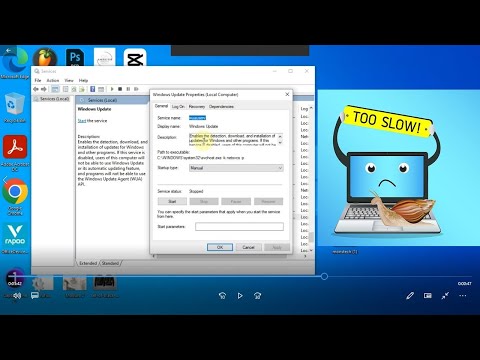
Title: How To Fix Windows 1011 LaggingSlow Problem - Laptop hangs when connected to Internet Quick Fix
Channel: Monstech
How To Fix Windows 1011 LaggingSlow Problem - Laptop hangs when connected to Internet Quick Fix by Monstech
Laptop Wifi Hotspot
Laptop Freezing? WiFi's the Culprit! (Solved!)
It’s a digital reality many of us know too well: that dreaded moment when your laptop decides to take an unexpected, and often frustrating, pause. Cursor frozen, programs locked, the virtual world seemingly grinding to a complete halt. While a multitude of factors can contribute to these performance hiccups, from overburdened processors to insufficient RAM, a surprisingly common, and often overlooked, culprit is your WiFi connection. Join us as we delve into the intricate ways in which WiFi, and the myriad complexities it entails, can be the hidden saboteur behind a sluggish or entirely frozen laptop.
Decoding the WiFi-Laptop Standoff: Understanding the Root Causes
Before we can implement solutions, we must first understand the battlefield. The interaction between your laptop and your WiFi network is a delicate dance, susceptible to a variety of disruptive influences. The most prevalent of these are issues related to instability, bandwidth limitations, and signal interference. These factors work in concert to create the sluggish, unresponsive behavior we all recognize.
Unstable Connections: The Achilles Heel of Modern Computing
A WiFi connection that is constantly dropping, fluctuating in speed, or experiencing intermittent outages can drastically impact your laptop's performance. When your device struggles to maintain a consistent link to the internet, it must constantly re-establish the connection, a process that consumes valuable processing power and time. This constant churn of connection and disconnection can bog down your system, leading to freezes, delays, and an overall feeling of sluggishness. Streaming video, particularly in high definition, or engaging in online gaming become virtually impossible under such conditions, transforming into stuttering streams and lag-ridden gameplay. These inconsistencies create a bottleneck and the constant attempt to request data, which slows down your computer.
Bandwidth Bottlenecks: When the Digital Highway Gets Congested
WiFi networks, like any highway, have a finite capacity for data transmission. This capacity, or bandwidth, is measured in megabits per second (Mbps) and determines how much data can flow between your laptop and the internet within a given time frame. If your WiFi network is experiencing heavy traffic, such as multiple devices simultaneously streaming videos, gaming, or downloading large files, your laptop’s share of the bandwidth may be severely limited. This bandwidth congestion can starve your laptop of the data it needs, in turn causing applications to stall, webpages to load slowly, and the system to become unresponsive. Even if you are the only device using the network, a slow internet connection, which often arises from ISP issues, will negatively affect your laptop’s performance.
Signal Interference: Navigating the Wireless Minefield
WiFi signals are electromagnetic waves that travel through the air, and as a result, they're susceptible to interference from various sources. Microwave ovens, Bluetooth devices, other WiFi networks operating on the same channel, and even physical obstructions like walls and furniture can all interfere with and weaken your WiFi signal. A weak or distorted signal results in slower data transfer rates, increased latency, and a higher likelihood of connection drops. All of these, naturally, exacerbate the likelihood of freezing and slow down your laptop.
Diagnosing the WiFi-Related Freeze: A Practical Troubleshooting Guide
Identifying whether your WiFi connection is the primary cause of your laptop's freezing requires a systematic approach. Fortunately, we can employ a number of diagnostic techniques to pinpoint the issue.
The Speed Test: Gauging Your Connection's Performance
The initial step in any troubleshooting process should involve a speed test. Websites like Speedtest by Ookla or Fast.com will measure your internet download and upload speeds, as well as ping (latency). Compare the results obtained to the bandwidth advertised by your internet service provider (ISP). Substantially lower speeds or high ping times may indicate a problem with your internet connection, which, in turn, can directly translate to laptop freezing. This will assist in identifying the extent of the damage that your WiFi is causing.
Network Monitoring: Observing Data Flow
Your operating system includes built-in tools for monitoring your WiFi connection. You can use them to view the signal strength, connection speed, and the number of dropped packets. A consistently low signal strength, a connection speed that fluctuates wildly, and a high packet loss rate all point to WiFi-related problems. These may indicate interference, distance issues, or problems with your router.
Isolating the Problem: WiFi or Laptop?
To definitively determine if WiFi is causing the freeze, temporarily connect your laptop to the internet using an Ethernet cable. If your laptop performs smoothly with a wired connection, then there's a high probability that the WiFi is the source of the trouble. If the problem persists, the source of the issue may be elsewhere, such as a software conflict or hardware issue.
Repairing the Link: Effective Solutions To WiFi-Related Freezes
Now that we've diagnosed the problem, let's explore solutions to restore your laptop's performance.
Optimizing Your Router’s Configuration: The First Line of Defense
Your router is the central hub of your WiFi network. Optimizing its settings can significantly improve your laptop's WiFi performance.
- Channel Selection: Most routers automatically select a WiFi channel, but this can sometimes lead to channel congestion, especially in densely populated areas. Access your router's settings and switch to a less-crowded channel. Numerous WiFi analyzer apps can help to identify the least congested channels.
- Firmware Updates: Router manufacturers regularly release firmware updates that include performance improvements and security patches. Ensure your router’s firmware is up to date.
- Quality of Service (QoS): Some routers offer QoS settings which allow you to prioritize specific devices or applications. Prioritizing your laptop can provide it with more bandwidth, improving its performance.
Enhancing Your WiFi Signal: Strengthening The Connection
A weak WiFi signal is a common cause of laptop freezes. Improving your signal coverage is the best place to start.
- Router Placement: Place your router in a central, open location, away from walls, metal objects, and other electronic devices that can cause interference. Elevation is also important; mounting the router higher up can frequently increase range and reduce obstructions.
- Extenders and Mesh Networks: If your laptop is located far from the router or in an area with poor signal coverage, consider using a WiFi extender or a mesh network system. These devices create additional access points, extending your WiFi signal throughout your home or office.
- Antenna Positioning: Most routers have external antennas. Experiment with the orientation of these antennas. Positioning them at different angles can sometimes improve signal strength, especially in areas with poor coverage.
Bandwidth Management: Balancing Network Usage
If bandwidth congestion is the problem, consider the following:
- Limit Concurrent Usage: Discourage bandwidth-intensive activities, such as streaming or gaming, from occurring on multiple devices simultaneously. If possible, schedule these activities or limit the amount of time each device can use the network.
- Prioritize Your Laptop: If your router supports QoS, prioritize your laptop's network traffic. This ensures that your laptop receives a greater share of the available bandwidth, helping to resolve the issue.
- Upgrade your Internet Plan: If you consistently experience bandwidth issues, consider upgrading your internet plan. A faster plan may provide you with the additional bandwidth you need to accomplish your tasks without performance-related setbacks.
Additional Troubleshooting Steps and Advanced Solutions
While the above suggestions are the most common, other troubleshooting steps may be applicable.
- Restart your Router and Laptop: The classic solution is often the most effective. Restarting your router clears its cache and resolves temporary issues, while restarting your laptop clears temporary files, freeing up memory.
- Update Your Wireless Network Adapter Driver: Outdated or corrupted drivers on your laptop can lead to connectivity issues. Ensure that the wireless network adapter driver is up to date.
- Check for Interference: Identify potential sources of interference, such as microwave ovens or Bluetooth devices, and move them away from your router and laptop.
- Consider a Wireless Adapter Upgrade: If your laptop's built-in wireless adapter is old, consider upgrading to a newer model. Newer adapters often support faster WiFi standards and improved range, resulting in better performance.
By implementing these troubleshooting steps and solutions, you can resolve the debilitating freezes caused by your WiFi connection, restore your laptop's performance, and return to a seamless and lag-free computing experience.
