my laptop cannot detect my wifi
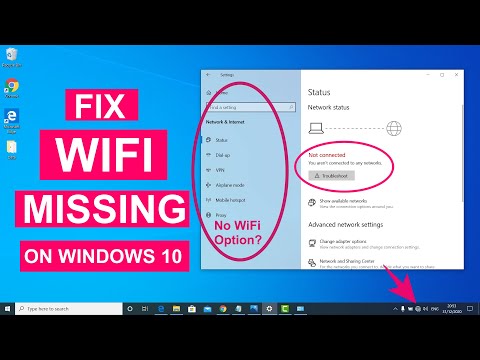
Title: Fix WiFi Not Showing in Settings On Windows 10 Fix Missing WiFi 2025
Channel: Sandeep Singh
Fix WiFi Not Showing in Settings On Windows 10 Fix Missing WiFi 2025 by Sandeep Singh
my laptop cannot detect my wifi, my laptop cannot see my wifi, my laptop cannot find my wifi, my laptop cannot connect to my wifi, my laptop can t see my wifi network, my laptop can t connect to my wifi, laptop can't find my wifi but finds others, why can't my laptop connect to wifi, my laptop can't find my wifi router, my laptop won t connect to my wifi
Laptop WiFi Nightmare? Solved! (Guaranteed!)
Laptop WiFi Woes Vanquished: Your Speedy Internet Salvation!
Have you ever wrestled with a laptop that seemed determined to sabotage your online experience? We've all been there. Spotty connections, glacial loading speeds, and the infuriating message, "No internet access," can quickly transform a productive day into a frustrating ordeal. But fret no more! Your wireless woes are about to become a thing of the past.
The Silent Saboteur: Pinpointing Your WiFi Problems
Before we dive in, let's acknowledge a crucial truth: WiFi problems arise from a multitude of sources. Understanding these culprits is the first step to banishing them. Is your router ancient? Are there too many devices vying for bandwidth? Furthermore, physical obstructions, like thick walls or metal objects, can significantly weaken your signal's power. In addition, interference from other electronic devices, such as microwaves or Bluetooth speakers, might be the underlying cause. Think about it. Consider the location of your router.
Router Redress: Optimizing Your Wireless Gateway
Your router acts as the command center for your home network. Consequently, its setup profoundly impacts your WiFi performance. Begin by positioning your router strategically. Position it in a central location, ideally elevated, and away from potential obstructions. Next, update your router's firmware. This can resolve bugs and improve stability. Moreover, consider upgrading to a newer router model. Newer models often support the latest WiFi standards, offering faster speeds and wider coverage.
Bandwidth Battles: Managing Your Internet Traffic
Even with a strong signal, your internet can crawl if bandwidth is scarce. Firstly, identify bandwidth hogs. Are any devices constantly streaming videos or downloading large files? If so, consider limiting their bandwidth usage. Secondly, prioritize your internet traffic. Most routers offer Quality of Service (QoS) settings. QoS allows you to prioritize specific devices or activities, ensuring that your most important tasks receive sufficient bandwidth.
Signal Strength Secrets: Boosting Your Wireless Reach
Sometimes, your WiFi signal needs a little extra oomph. Fortuitously, several methods can amplify your wireless reach. Firstly, a WiFi extender is a simple solution. It repeats your existing WiFi signal, extending its coverage to dead zones. Alternatively, you can explore the option of a mesh WiFi system. Mesh systems use multiple access points that work together and create a unified network. Finally, consider fine-tuning your router's channel selection. Your router broadcasts on a specific channel. Choosing a less congested channel can significantly reduce interference and improve performance.
The Software Sidekick: Troubleshooting Your Laptop's Settings
Sometimes, the problem isn't your router. It might be hidden within your laptop's software. Before calling in the experts, start with the basics. First, restart your laptop. Sometimes, a simple reboot can resolve temporary glitches. Secondly, check your network adapter settings. Ensure your network adapter is enabled and that the drivers are up-to-date. Thirdly, consider running the Windows Network Troubleshooter. This built-in tool can automatically diagnose and fix common network problems.
Security Savvy: Protecting Your WiFi Network
Protecting your WiFi is paramount. A secure network ensures your data remains private. First, always use a strong password for your WiFi network. Avoid using easily guessable passwords. Secondly, enable WPA2 or WPA3 encryption. These encryption protocols provide robust protection against unauthorized access. Finally, regularly update your router's firmware. Firmware updates often include security patches to address vulnerabilities.
The Ultimate Test: Is Your WiFi Truly Fixed?
After implementing these solutions, the crucial question arises: Is your WiFi nightmare truly over? Begin by testing your internet speed. Numerous online speed tests are available. Compare your results to your internet plan's advertised speeds. Next, browse various websites and stream videos. Observe if loading times are rapid and if buffering is minimal. Finally, monitor your connection's stability over time. A reliable connection should show no signal drops or slow-down periods.
Beyond the Basics: Advanced WiFi Wizardry
For the truly tech-savvy, several advanced techniques can further improve WiFi performance. Firstly, consider using a WiFi analyzer app. These apps can identify the best channels for your router and help you understand the wireless landscape. Secondly, you can manually configure your router's settings. This requires some technical knowledge. You can precisely control how your network operates. Thirdly, consider upgrading your network adapter. A newer adapter offers support for the latest WiFi standards.
The Final Verdict: Reclaiming Your Online Experience
Say goodbye to WiFi frustration! By addressing these common issues, you can transform your laptop’s online experience. Remember, patience and persistence are key. Furthermore, if problems persist, seeking professional help is acceptable. With some effort and the right solutions, you can ensure a consistently fast and reliable internet connection. Therefore, enjoy your newfound online freedom!
Unlock FREE WiFi: Secret Laptop Hack (No Software Needed!)Laptop WiFi Nightmare? Solved! (Guaranteed!)
Alright, let's be honest, folks. We've all been there. You’re ready to binge-watch your favorite show, ace that online presentation, or finally download that epic game you've been eyeing for weeks. Then BAM! The dreaded Wi-Fi symbol on your laptop looks like it's in a coma. The spinning wheel of doom (or whatever your operating system's version of it is) becomes your new best friend. This, my friends, is the Laptop WiFi Nightmare. But guess what? We're here to tell you – it's NOT a life sentence. In fact, we're going to walk you through some tried-and-true solutions that guarantee a Wi-Fi resurrection. Sound good? Let's dive in!
1. The Agony of the Unconnected: Recognizing the Symptoms
Before we can administer the cure, we need to identify the illness. What does a Laptop WiFi Nightmare look like? It can manifest in a myriad of frustrating ways:
- No Connection at All: The most obvious symptom. Your laptop flat-out declares "No Internet." It's like trying to order pizza from a phone that isn't plugged in.
- Intermittent Drops: You're cruising along, then… poof! Disconnected. Happens randomly, like a gremlin is playing with your antenna.
- Slow Speeds: Loading a single webpage takes an eternity. You feel like you're back in the dial-up days, listening to that ear-splitting modem screech.
- Limited Reach: You can only connect when you're practically glued to the router, but take a step away, and bam - you're adrift in the digital wilderness.
- "Connected, but No Internet": The ultimate paradox. Your laptop thinks it's connected, but you can't actually do anything. It’s like having a working car but no gas.
If any of these ring a bell, hold tight! We’re about to get you back online.
2. The Router Revelation: Is It the Culprit?
First things first, let's address the elephant in the room: your router. Think of your router as the gatekeeper of your internet. Sometimes the issue isn't your laptop; it's the gate.
- The Reboot Ritual: This is the digital equivalent of a good night's sleep. Unplug your router and modem (if they're separate), wait about 30 seconds, and plug them back in. Give them a few minutes to power back up. This simple act often works wonders. It’s like hitting the reset button on your brain after a long day.
- Check the Lights: Are the lights on your router blinking erratically or staying a solid color? These lights are like your router's vital signs. Consult your router's manual (yes, those things exist) to decipher what they mean. A solid internet light usually means you're in business.
- Distance Matters: Is your laptop too far away from the router? Wi-Fi signals, like whispers, can get lost in the distance, and also blocked by thick walls. Try moving closer to see if the connection improves.
- Overcrowding: Like a party with too many guests, too many devices connected to your router at once can slow things down. Temporarily disconnect other devices to see if that makes a difference.
3. Laptop Love: Troubleshooting Your Settings
Okay, let's assume your router is behaving. Time to turn our attention to your beloved laptop.
- Airplane Mode Alert: Are you accidentally in Airplane Mode? This is a classic. Check your system tray (that little area in the bottom right corner of your screen) for the airplane icon. If it's on, click it to turn it off. It's the digital equivalent of forgetting you have a car key.
- Wi-Fi Switch: Your laptop likely has a physical Wi-Fi switch. Sometimes it's a button, sometimes it's a toggle. Make sure it's flipped to "on." Seriously. I've spent hours troubleshooting, only to realize this was the culprit.
- Driver Drama: Outdated or corrupted network adapters are the bane of our existence. This is something of a technicality, but easy to fix, go to your device manager, find your network adapter, right-click on, and update the driver.
- Forget and Remember (the Network): Sometimes, your laptop just gets confused. Go into your Wi-Fi settings and "forget" the network you're trying to connect to. Then, reconnect, entering your password again. It's like giving your laptop a digital refresh.
- Run the Troubleshooter: Windows and MacOS have built-in troubleshooters. These are like having a tech support expert on your computer. Search for "Network Troubleshooter" in your settings and let it do its thing.
4. The Hardware Hustle: When Things Get Serious
If software fixes aren't cutting it, it's time to consider hardware.
- Physical Inspection: Is your Wi-Fi adapter physically damaged? Check the adapter for visible signs of damage (if you can see it). A damaged adapter is like a broken antenna on your car.
- The USB Adapter Solution: For a quick fix, consider buying a USB Wi-Fi adapter. They’re inexpensive and can provide a much stronger signal. Plug it in, install the drivers, and try connecting.
- Internal Adapter Replacement (For the Tech-Savvy): If you're comfortable with tech, you could replace the internal Wi-Fi card in your laptop. This is more involved and requires careful handling.
5. Security Showdown: Firewall and Antivirus Checks
Sometimes, the culprit isn't the Wi-Fi itself, but your security settings.
- Firewall Frenzy: Your firewall is like a security guard for your computer. Sometimes, it can be a bit too vigilant and block your Wi-Fi connection. Temporarily disable your firewall (be cautious and only do this for testing purposes) to see if it helps.
- Antivirus Interference: Your antivirus software may be preventing you from connecting. Try temporarily disabling your antivirus (again, be careful!) to see if that makes a difference.
6. Channel Chaos: Wi-Fi Interference Insights
Wi-Fi signals, much like radio waves, can often overlap. If your neighbors' networks are on the same channel as yours, it might be causing interference. Think of it like trying to have a conversation at a crowded concert.
- Channel Surfing: Access your router's settings (usually through your web browser). You can typically change the Wi-Fi channel in the wireless settings. Experiment with different channels (1, 6, and 11 are usually the least congested).
- 2.4 GHz vs. 5 GHz: Modern routers broadcast on two frequencies: 2.4 GHz and 5 GHz. 5 GHz offers faster speeds but less range. 2.4 GHz has more range, but can be slower and sometimes have more interference. Try switching between the two to see if that improves your connection.
7. Network Adapter Nirvana: Updating the Drivers
Drivers are the software that allows your laptop to communicate with its hardware, including your Wi-Fi adapter. Outdated drivers can cause all sorts of problems.
- Device Manager Dive: Open Device Manager on your laptop (search for it in the Start menu or Settings).
- Network Adapter Revelation: Locate your Wi-Fi adapter in the list (it might be labeled something like "Wireless Network Adapter" or "Wi-Fi Adapter").
- Update Driver: Right-click on your Wi-Fi adapter and select "Update driver." Choose the option to search for updates automatically.
8. Location, Location, Location: Optimizing Your Router's Placement
Your router's physical location can significantly impact your Wi-Fi range and speed.
- Central Placement: Place your router in a central location in your home or office, away from walls, appliances, and obstructions.
- Elevate the Situation: Elevate your router. Putting it on a shelf or table instead of the floor can improve signal propagation.
- Avoid Obstacles: Keep your router away from appliances like microwaves, cordless phones, and Bluetooth devices, as they can interfere with the Wi-Fi signal.
9. Bandwidth Blues: Understanding Network Congestion
Sometimes, the problem isn't your Wi-Fi, but your internet speed.
- Speed Test Snapshots: Run a speed test (there are many free online tools) to see what speeds you're actually getting. If your speeds are significantly lower than what you pay for, contact your internet service provider (ISP).
- Bandwidth Hog Havoc: Are other devices or services using up a lot of your bandwidth? Streaming video, online gaming, and large downloads can consume a lot of bandwidth and slow down your Wi-Fi for other devices.
10. The Clean Boot Cleanup: Eliminating Software Conflicts
Sometimes, other applications on your laptop can interfere with your Wi-Fi connection. A clean boot can help you identify if this is the case.
- Clean Boot Protocol: Perform a clean boot (search for instructions specific to your operating system) to start your laptop with only essential services. *
How to Fix WiFi Not Showing Up on Windows 10 - Howtosolveit
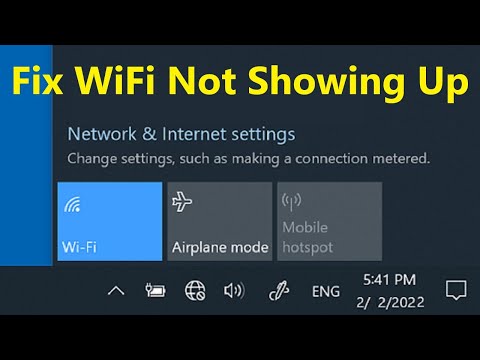
By Howtosolveit How to Fix WiFi Not Showing Up on Windows 10 - Howtosolveit by Howtosolveit
7 Ways to Fix a Computer That Can't Find or Connect to Wifi Windows 10 Laptops & Desktops

By Ask A Computer Geek 7 Ways to Fix a Computer That Can't Find or Connect to Wifi Windows 10 Laptops & Desktops by Ask A Computer Geek
All But My WiFi Network Not Appeared Solved 2020

By Simplify All But My WiFi Network Not Appeared Solved 2020 by Simplify

Title: Windows laptop not connecting to Wi-Fi Method 1 shorts windows laptop wifi fix
Channel: Tuto2Info Videos
Windows laptop not connecting to Wi-Fi Method 1 shorts windows laptop wifi fix by Tuto2Info Videos
Change Wifi Settings
Laptop WiFi Nightmare? Solved! (Guaranteed!)
Have you ever felt the frustrating sting of a stubbornly slow or completely absent WiFi connection on your laptop? The frustration of buffering videos, dropped video calls, and sluggish web browsing is, unfortunately, a shared experience. We've all been there: staring blankly at a loading screen, the seconds stretching into an eternity, productivity grinding to a halt. But what if we told you that many of these WiFi woes are easily remedied? This is more than just a troubleshooting guide; it is a comprehensive exploration of the most common culprits behind laptop WiFi problems, accompanied by practical, step-by-step solutions designed to banish those connection frustrations for good. Consider this your definitive guide to reclaiming your laptop’s WiFi speed and reliability.
Identifying the Root Cause: Where is Your WiFi Failing?
The first, and arguably most crucial, step in troubleshooting any WiFi problem is pinpointing the source. Is the issue specific to your laptop, or is it affecting other devices on your network? This distinction is paramount because it immediately narrows the scope of investigation.
Isolating the Device: If your other devices, such as smartphones or tablets, are flawlessly connected to the internet, the problem almost certainly lies within your laptop. If everything else is working fine, then the focus moves to internal network configurations, software conflicts, and hardware malfunctions specific to your laptop.
Network-Wide Issues: Conversely, if all your devices are experiencing connection difficulties, the problem is likely a broader network issue. This could stem from your router, your internet service provider (ISP), or even external factors. We will address both scenarios thoroughly.
Let's begin with the laptop-specific issues that frequently plague users.
Diagnosing Laptop-Side WiFi Problems: The Usual Suspects
Several factors inherent to your laptop can significantly impact its WiFi performance. We'll delve into the most common culprits and provide actionable solutions.
1. Outdated or Corrupted Network Drivers: The Silent Saboteur
Network drivers are the software intermediaries that allow your laptop's WiFi adapter to communicate with your router. Outdated or corrupted drivers are a frequent cause of WiFi connectivity issues, ranging from slow speeds to complete connection failures.
Identifying the Problem: If your WiFi connection has suddenly deteriorated or stopped working, outdated drivers are a prime suspect. Windows often automatically updates drivers; however, these updates can sometimes cause conflicts or introduce bugs.
The Fix:
Method 1: Driver Rollback (if a recent update caused the issue): Open Device Manager (search for it in the Windows search bar). Expand Network adapters. Right-click on your WiFi adapter (e.g., Intel Wireless-AC 9260) and select Properties. Go to the Driver tab and, if the Roll Back Driver option is available, click it. This will revert to the previous driver version. Restart your laptop. Test your WiFi.
Method 2: Update Drivers from Device Manager: In Device Manager, right-click on your WiFi adapter and select Update driver. Choose Search automatically for drivers. Windows will attempt to find and install the latest drivers. Restart your laptop. Test your WiFi.
Method 3: Manual Driver Download (Most Reliable): Visit the website of your laptop manufacturer (e.g., Dell, HP, Lenovo) or the manufacturer of your WiFi adapter (e.g., Intel, Broadcom). Locate the Drivers or Support section. Search for your laptop model or WiFi adapter model. Download the latest WiFi driver for your operating system. Install the driver and restart your laptop. Test your WiFi.
2. Weak WiFi Signal Strength: The Distance Dilemma
The distance between your laptop and your router directly impacts signal strength. Obstacles like walls, furniture, and other electronic devices can also significantly degrade the signal.
Identifying the Problem: If your laptop struggles to maintain a stable connection, experiences slow speeds, or loses connection in certain areas of your home, a weak signal is a likely culprit.
The Fix:
- Proximity is Key: Move your laptop closer to your router. Observe the signal strength indicator on your laptop's taskbar. A stronger signal will resolve the issue.
- Router Placement: Position your router in a central, open location, away from walls and obstructions. Elevated placement is often optimal. Avoid placing the router near microwave ovens, cordless phones, or other devices that emit radio frequencies.
- Channel Interference: Modern routers usually select the best channel automatically, but sometimes the process fails. Access your router's interface (usually by typing its IP address, found on its bottom, into a web browser). Inside the interface, look for wireless settings and the option to change the channel. Experiment with channels 1, 6, and 11, as they are generally less congested.
- Consider a WiFi Extender: If you have a large home or a home with thick walls, a WiFi extender can amplify the signal and improve coverage in dead zones.
3. Incorrect Network Configuration: The Hidden Settings
Subtle misconfigurations within your laptop's network settings can lead to WiFi problems.
Identifying the Problem: Symptoms can include difficulty connecting to the network, obtaining an IP address, or accessing the internet.
The Fix:
- Forget and Reconnect to the Network: On Windows: Click the WiFi icon in the system tray. Right-click on your WiFi network and select Forget. Then, reconnect to the network, re-entering the password if necessary. This refreshes the connection.
- Check IP Address Settings: Right-click on the WiFi icon. Select Open Network & Internet settings. Click Change adapter options. Right-click on your WiFi adapter and select Properties. Double-click on Internet Protocol Version 4 (TCP/IPv4). Ensure that Obtain an IP address automatically and Obtain DNS server address automatically are selected. If static addresses are set, consider temporarily switching to dynamic addressing settings.
- Flush DNS (Domain Name System) Cache: Open the Command Prompt as an administrator (search for it in the Windows search bar; right-click and choose Run as administrator). Type
ipconfig /flushdnsand press Enter. This clears the DNS cache, which can sometimes contain outdated or corrupted information. Restart your laptop.
4. Software Conflicts: The Hidden Battles
Other software running on your laptop can interfere with WiFi performance. Security software, VPNs, and other network management tools are possible sources of problems.
Identifying the Problem: If WiFi problems started after installing new software, especially security software or VPNs, a conflict is probable.
The Fix:
- Temporarily Disable Security Software: Disable your antivirus software or firewall temporarily (remember to re-enable it after testing). If WiFi performance improves, investigate the settings of your security software and look for any features that might be interfering with your WiFi connection.
- Close Background Applications: Close unnecessary applications that may be consuming bandwidth, such as file-sharing programs or cloud storage clients.
- Check VPN Settings: If you use a VPN, try disconnecting from the VPN to see if your WiFi performance improves. If it does, investigate the VPN settings and ensure they are correctly configured.
5. Hardware Malfunctions: From Failing Adapters to Loose Connections
In rare cases, the WiFi adapter itself may be faulty. A loose internal connection within your laptop or a damaged adapter chip can cause connectivity problems.
- Identifying the Problem: If you've tried all other troubleshooting steps and still experience persistent WiFi issues, a hardware problem is possible.
- The Fix:
- Run Hardware Diagnostics: Your laptop may have built-in hardware diagnostic tools. Consult your laptop's manual or website for instructions on how to run these tests.
- Check the Physical Connection (if possible): If you are comfortable with opening your laptop (and have experience with handling electronics), carefully disconnect the battery, then disconnect and reconnect the WiFi adapter inside the laptop. You may need to consult your laptop's service manual for instructions.
- Seek Professional Repair: If you suspect a hardware problem, take your laptop to a qualified repair technician. They can diagnose and replace a faulty WiFi adapter.
Troubleshooting Network-Wide WiFi Issues: Beyond the Laptop
If other devices on your network are experiencing WiFi problems, the source is likely your router or your internet service provider.
1. Router Reboot: The Universal Remedy
Restarting your router is the simplest and often most effective solution for many network-related issues. Routers, like any electronic device, can experience temporary glitches.
- The Fix: Unplug your router and modem (if separate) from the power outlet. Wait at least 30 seconds, then plug the modem back in. Wait for the modem to fully power up (usually indicated by solid lights). Plug the router back in. Wait for the router to fully power up. Test your WiFi.
2. Router Firmware Updates: Security and Performance Boosts
Router manufacturers regularly release firmware updates to address security vulnerabilities, improve performance, and add new features.
- The Fix: Access your router's administration interface (usually by typing its IP address into a web browser). Look for a Firmware Update or Administration section. Follow the
