laptop detects wifi but can& 39

Title: 7 Ways to Fix a Computer That Can't Find or Connect to Wifi Windows 10 Laptops & Desktops
Channel: Ask A Computer Geek
7 Ways to Fix a Computer That Can't Find or Connect to Wifi Windows 10 Laptops & Desktops by Ask A Computer Geek
Laptop Sees WiFi, But Won't Connect? This FIX Works!
Laptop Sees WiFi, But Won't Connect? Don't Fret, We've Got You!
Ever feel like your laptop's a tease? It sees your Wi-Fi, flashes those tempting signal bars, and yet… refuses to connect. It's infuriating. But, before you chuck your beloved machine out the window, take a deep breath. Because more often than not, there's a simple fix, or even a few. Let's dive in and get you back online in record time.
The Mystery of the Phantom Connection
First off, let's acknowledge the frustration. You're staring at the network, ready to stream, work, or connect, but you're met with a wall. "No internet access," it proclaims. Or, sometimes, it just hangs there, "Connecting…" forever, without success. This can stem from several culprits, so we'll methodically work through them. Consequently, we'll hopefully pinpoint your specific problem.
Restart, Reboot, and Reconnect: The Basic Troubleshooting Dance
Okay, I know, it sounds basic. But, trust me, it works. Sometimes, the solution is as simple as a reboot. So, before getting too technical, restart your laptop. Also, restart your router and modem. Unplug them from the power source for about 60 seconds. Furthermore, this allows them to fully reset. After they're back online, try connecting your laptop again. If you're still facing issues, then move on, because that was a simple fix.
Driver Difficulties: Your WiFi's Silent Protest
Your Wi-Fi adapter, that little piece of hardware, needs drivers. These drivers are software that allow your laptop to communicate with your Wi-Fi. Frequently, outdated or corrupted drivers can cause connection problems. Therefore, we want to ensure they are up to date.
Here’s how:
- Open Device Manager: Search for "Device Manager" in your Windows search bar.
- Expand "Network adapters": You will find your Wi-Fi adapter listed here.
- Right-click your Wi-Fi adapter: Select "Update driver."
- Choose your update method: Select "Search automatically for drivers." Windows will attempt to find the latest drivers.
- If automatic update fails: You can visit your laptop manufacturer's website. Then, download the latest drivers for your specific model.
- Reboot after updating: Restart your laptop after installing new drivers.
Network Troubles: Checking Your Configuration
Sometimes, the issue lies within your network settings. These settings determine how your laptop connects and interacts with the internet. For instance, a misconfigured IP address or DNS server can block your access. Here are some quick checks:
- IP Address: Ensure your laptop gets an IP address automatically. Access your network adapter settings (usually through the Control Panel or Settings app). Confirm your IP address is set to "Obtain an IP address automatically."
- DNS Servers: Similarly, verify your DNS server settings. They translate website addresses into IP addresses. Consider using public DNS servers like Google's (8.8.8.8 and 8.8.4.4).
- Forget and Reconnect: Try forgetting your Wi-Fi network. Then, reconnect by entering your password again. It can sometimes refresh the connection.
The Interference Factor: Clearing the Airwaves
Wi-Fi signals are vulnerable to interference. Thus, certain objects or devices nearby can disrupt the connection. These include microwaves, Bluetooth devices, and even thick walls. For this reason, check the following:
- Move Closer: Try moving your laptop closer to your router.
- Change Channels: Sign in to your router's settings (usually through a web browser). Then, experiment with different Wi-Fi channels.
- Reduce Obstacles: Ensure there are minimal obstructions between your laptop and router.
Security Protocols: Password Protection and Compatibility
Your router's security settings might conflict with your laptop. Therefore, verify the following:
- Password Correctness: Double-check that you are entering the correct Wi-Fi password. Capitalization matters!
- Security Type: Ensure your router uses a compatible security protocol. WPA2 or WPA3 are recommended. Older protocols, such as WEP, are less secure and may cause connectivity issues.
- Router Compatibility: Check your router's documentation. It may have the newest settings to use.
Still No Luck? Consider These Advanced Tips
If the above steps didn't work, don't give up yet.
- Run the Network Troubleshooter: Windows and macOS come with built-in network troubleshooters. They can automatically identify and fix many common problems.
- Disable and Re-enable Your Wireless Adapter: In Device Manager (Windows) or Network Preferences (macOS), disable your Wi-Fi adapter. Then, enable it again. This can sometimes kickstart the connection.
- Factory Reset Your Router: As a last resort, reset your router to its factory settings. Note: This will erase your customized settings. You'll need to reconfigure it afterward.
Wrapping It Up: Back Online!
Ultimately, dealing with Wi-Fi connection woes is frustrating. But, by systematically working through these troubleshooting steps, you should have a solution. Most importantly, remember to be patient. Moreover, with a little persistence, you'll undoubtedly get your laptop back online. So, go forth and conquer the internet!
Unbelievable! Cheap Laptops with WiFi That WON'T Break the Bank!Laptop Sees WiFi, But Won't Connect? This FIX Works!
Hey there, fellow tech travelers! Ever been in that heart-stopping moment? You’re staring at your laptop screen, the WiFi signal bars are practically glowing, promising glorious internet connectivity, but… nothing. The dreaded “connecting” message lingers, mocking your need to binge-watch that show or finish that crucial work project. We've all been there, haven't we? It's like your laptop is flirting with the WiFi, but just won't commit. Frustrating, to say the least! But fear not, because we're going to dive deep into this frustrating issue, and, more importantly, we're going to find solutions. Consider this your personal guide to taming your stubborn laptop's WiFi woes.
1. The Digital Dance of Disconnection: Why Your Laptop's a WiFi Wallflower
Before we start throwing around fixes, let's understand the why. Think of your laptop and the WiFi router as dancers at a party. They can see each other (the WiFi signal), but something's preventing them from actually connecting and busting a move (getting online). This "something" can be a variety of culprits, from simple software glitches to more complex hardware conflicts. It’s like when you spot someone across a crowded room, but a particularly clumsy waiter is blocking your path.
2. Network Tango: Checking the Obvious First Steps
Okay, time to check the basics. This is like making sure your shoelaces are tied before you try to run a marathon. Trust me, these seemingly silly steps can often save the day.
- Is the WiFi Router On and Working? I swear, this is the first thing I always check, even though I know I turned it on. But hey, it's the most common culprit! Check the lights on your router. Are they solid and indicating a healthy connection? If not, restart it (unplug it, wait 30 seconds, plug it back in). Think of it as a digital reset button.
- Is WiFi Enabled on Your Laptop? This might sound insulting, but it happens! Look for the WiFi symbol in your system tray (usually the bottom right corner of your screen) and make sure it’s turned on. It should look like a set of curved lines, increasingly full.
- Are Other Devices Connected? Grab your phone or another device and see if they can connect to the WiFi. If not, the problem is likely with the router, not your laptop. This is like checking if everyone else at the party is being blocked by the same waiter.
- Are You Within Range? Sometimes, the signal is just too weak. Move closer to the router. Walls and other obstructions can weaken the signal strength, making it hard for your laptop to connect. Kind of like whispering across a noisy room.
3. The Driver's Dilemma: Updating or Reinstalling Your WiFi Adapter
Alright, if the basics didn't cut it, we're going a little deeper. Your laptop's WiFi adapter is like a translator, allowing it to speak the language of WiFi. Sometimes, the translator gets rusty (outdated driver), or worse, gets a bad case of the hiccups (corrupted driver).
- Updating Your Driver: This is the digital equivalent of giving your translator a fresh language textbook.
- Right-click on the Start Menu (or hit the Windows key + X).
- Select "Device Manager."
- Expand "Network Adapters."
- Find your WiFi adapter (it'll have names like "Wireless Network Adapter" or something similar).
- Right-click on the adapter and select "Update driver." Choose "Search automatically for drivers". Let Windows do its work – it should find and install the newest drivers.
- Reinstalling Your Driver: If updating doesn't work, it's time for a complete overhaul, like getting a brand new translator.
- Follow steps 1-4 above.
- Right-click on the adapter and select "Uninstall device."
- Restart your laptop. Windows will usually reinstall the driver automatically. If not, you can download the driver from your laptop manufacturer's website.
4. The Forbidden Zone: Correctly Entering Your WiFi Password
Okay, this is a classic. It's like being locked out of the party simply because you're spelling your name wrong on the guest list.
- Double-Check Your Password: Seriously, type it slowly and carefully. Is Caps Lock on? Are you accidentally typing a number where there should be a letter?
- Consider Special Characters: Some WiFi passwords contain special characters, like exclamation points (!) or question marks (?). These can sometimes cause issues. Try connecting with a simpler password if you're having trouble.
- Forget and Reconnect: In your WiFi settings, "forget" the network and then try connecting again, re-entering the password. This is like wiping the slate clean and starting fresh.
5. Power Saving Paradox: Disabling Power Saving for Your WiFi Adapter
Your laptop, especially those designed for efficiency, might be putting your WiFi adapter in a power-saving mode. The goal is admirable, but it can mess with your connection. It's like the laptop trying to save energy by putting the WiFi to sleep when it’s needed most.
- Access Device Manager (as described in step 3).
- Right-click your WiFi adapter under "Network Adapters."
- Select "Properties."
- Go to the "Power Management" tab.
- Uncheck "Allow the computer to turn off this device to save power." Click "OK."
6. IP Address Interference: Fixing the Address Muddle
Sometimes, there can be a clash of the digital titans, specifically with IP addresses. This is a bit more technical, but bear with me. You might need to reset your IP settings. This is like telling the party door guy that you have a new address.
- Using the Command Prompt:
- Type "cmd" in the Windows search bar.
- Right-click "Command Prompt" and select "Run as administrator."
- Type the following commands, pressing Enter after each:
ipconfig /releaseipconfig /renewipconfig /flushdns
- Restart your laptop.
7. Security Settings Showdown: Examining Your Firewall and Antivirus
Your firewall and antivirus software are guarding your laptop like loyal knights, but sometimes, they can be a bit too zealous, blocking your WiFi connection in the process. Think of them as overly enthusiastic bouncers at the party.
- Temporarily Disable Your Firewall: Go to your Windows Security settings (search for "Windows Security" in the Start Menu) and temporarily disable your firewall to see if it's the culprit. Remember to turn it back on afterward for security!
- Check Your Antivirus Settings: Some antivirus programs have their own firewalls or WiFi protection features. Check their settings to make sure your WiFi isn't being blocked.
8. Router Restart Redux: A Final Digital Reset
As mentioned earlier, restarting your router is a basic step, but sometimes it's worth retrying. Your router, much like your laptop, can get bogged down with tasks and need a little “me time”. If you've tried everything else, consider a more thorough restart. Unplug your router and modem (if separate) for at least 30-60 seconds. Then, plug the modem back in first and wait for it to fully boot up. Then, plug in the router.
9. Network Troubleshooter Triage: Let Windows Diagnose the Problem
Windows has built-in tools to help diagnose and fix network problems. It’s like having a digital doctor for your connection.
- Right-click on the WiFi icon in your system tray.
- Select "Troubleshoot problems."
- Windows will run a diagnostic and attempt to fix any issues it finds.
10. Channel Surfing: Adjusting Your Router's WiFi Channel
Your router broadcasts WiFi on a specific channel. Sometimes, this channel can be congested, especially in areas with many WiFi networks. This is like having everyone at the party trying to talk at the same time. The solution? Switch to a less crowded channel.
- Access Your Router's Settings: You'll need to log in to your router's admin panel. This usually involves typing a specific IP address into your web browser (often 192.168.1.1 or 192.168.0.1). Consult your router's manual for the correct IP address and login credentials.
- Change the WiFi Channel: Once logged in, look for the WiFi settings and change the channel. Try channels 1, 6, or 11 – these are generally less congested. Save the changes and restart your router.
11. Proximity Problems: Minimizing Interference
Think of your WiFi signal as a sensitive plant. It thrives in a clear, uncluttered environment. Interference can come from a variety of sources. This is like placing your plant right next to a noisy construction site.
- Move Your Router: Place your
Fix WiFi Not Showing in Settings On Windows 10 Fix Missing WiFi 2025
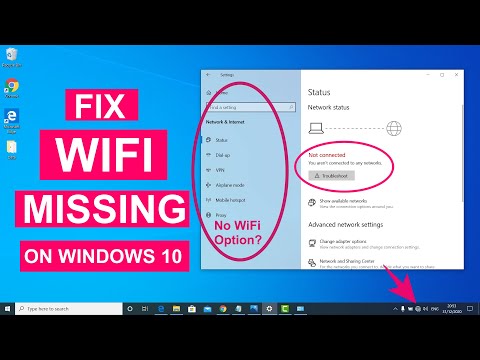
By Sandeep Singh Fix WiFi Not Showing in Settings On Windows 10 Fix Missing WiFi 2025 by Sandeep Singh
All But My WiFi Network Not Appeared Solved 2020

By Simplify All But My WiFi Network Not Appeared Solved 2020 by Simplify
Fix Can't Connect to This Network Error On Windows 10 - WiFi & Internet

By Sandeep Singh Fix Can't Connect to This Network Error On Windows 10 - WiFi & Internet by Sandeep Singh

Title: Fix Wifi Not Available Or No Wi-Fi Networks Found on Windows 11
Channel: Sandeep Singh
Fix Wifi Not Available Or No Wi-Fi Networks Found on Windows 11 by Sandeep Singh
Wifi Not Found
Laptop Sees WiFi, But Won't Connect? This FIX Works!
Navigating the digital world should be seamless. Yet, few things are more frustrating than your laptop spotting a WiFi network, only to refuse that crucial connection. We've all been there: the flashing WiFi icon, the tantalizing glimpse of available networks, and then the dreaded "cannot connect" message. This is a comprehensive guide to troubleshoot and resolve those infuriating WiFi connection problems. We will explore a range of solutions, from the simplest checks to more in-depth diagnostics, to get you back online swiftly. Consider it your personal WiFi repair manual.
Identifying the Problem: Pinpointing the Source of Your Connectivity Issues
Before diving into specific solutions, it's crucial to define the nature of the problem. Is the laptop completely unable to see any WiFi networks, or does it see networks but fail to connect to a specific one, or any network at all? Are other devices connected successfully to the same WiFi network? These initial observations are key to narrowing down the source of the problem and selecting the most effective fix. The more information you gather upfront, the faster you’ll be back online. Observe closely and take note of any error messages displayed, as they provide valuable clues.
The Simplest Solutions: A Quick Diagnostic Checklist
Sometimes, the simplest solutions are the most effective. Before undertaking complex troubleshooting steps, explore these straightforward options:
Restart Your Laptop: This fundamental step often resolves temporary glitches and software conflicts. A complete system restart, including a shutdown and a subsequent power-up, is preferable to simply restarting the operating system.
Restart Your Router/Modem: Just like your laptop, your router and modem can experience temporary hiccups. Power cycling these devices clears their memory, and the new fresh settings help resolve problems. Unplug your router and modem from the power outlet, wait at least 30 seconds, plug them back in, and wait for them to fully initialize.
Check the Physical WiFi Switch: Many laptops have a physical WiFi switch, typically located on the side or front of the device. Ensure this switch is in the "on" position (usually indicated with a light or an icon). Also, check for a function key combination (often Fn + a key with a WiFi symbol) that might be toggling your WiFi adapter on or off.
Proximity to the Router: WiFi signals weaken with distance and obstructions. Move your laptop closer to the router to see if the connection improves. Walls, metal objects, and other electronic devices can interfere with the signal strength.
Check Airplane Mode: Make sure Airplane Mode is disabled. Airplane mode turns off all wireless communication. Check your system tray for the airplane icon or search for "Airplane mode" within the Windows search bar or Spotlight search on macOS.
Driver Dysfunction: Resolving WiFi Adapter Driver Issues
Outdated, corrupted, or missing drivers are a common cause of WiFi connection problems. Your laptop's WiFi adapter requires specific software (drivers) to communicate with the network.
- Updating Your WiFi Adapter Drivers: Access to Device Manager (Windows) or System Information (macOS).
- Windows:
- Type "Device Manager" in the Windows search bar and open it.
- Expand "Network adapters."
- Right-click your WiFi adapter (e.g., "Intel Wireless-AC 9260") and select "Update driver."
- Choose "Search automatically for drivers." Windows will search for and install the latest driver. If that doesn't work, search for driver's software on manufacturers website and install the software.
- macOS: Generally, macOS updates include driver updates. Check for system software updates in System Preferences > Software Update.
- Windows:
- Rolling Back Drivers: If a recent driver update caused the problem, you can revert to the previous driver version. In Device Manager (Windows), right-click the WiFi adapter, select "Properties," go to the "Driver" tab, and click "Roll Back Driver" if the option is available.
- Reinstalling Drivers: Sometimes, a complete reinstall is necessary. In Device Manager (Windows), uninstall the WiFi adapter (right-click and select "Uninstall device" or "Remove device"). Then, restart your laptop. Windows will attempt to reinstall the driver automatically. If that fails, visit the laptop manufacturer's website or the WiFi adapter manufacturer's website (e.g., Intel) to download the latest driver for your specific model.
Network Configuration Troubles: Examining Your Network Settings
Incorrect network settings can prevent your laptop from connecting to WiFi.
- Forget and Reconnect to the Network: Delete the saved network profile and reconnect.
- Windows: Go to Settings > Network & Internet > WiFi, select the problematic network, and choose "Forget." Then, search for the network and re-enter the password.
- macOS: Click the WiFi icon in the menu bar, select "Open Network Preferences," choose your network, and click the "-" button to remove it. Then, reconnect by selecting the network again.
- Check Your IP Address: If your laptop is configured to obtain an IP address automatically (DHCP), ensure that your router is assigning IP addresses correctly. You can check the IP address in your network settings. If the address begins with 169.254.x.x, it usually indicates that your laptop is failing to receive an IP address from the router.
- Static IP Configuration (Advanced): If you're using a static IP address, ensure it's correctly configured and doesn't conflict with other devices on your network. Double-check the IP address, subnet mask, default gateway, and DNS servers. Incorrect settings can lead to failed connections.
Router Configuration Matters: Problems on the Router Side
Because your laptop needs the router to get the signal and connect to the Internet, you might encounter problems when using the router.
- Router Firmware Updates: Outdated router firmware can cause compatibility issues and connection problems. Access your router's configuration page (usually by typing its IP address, such as 192.168.1.1 or 192.168.0.1, into your web browser). Check for firmware updates within the router's settings.
- Channel Interference: WiFi routers operate on different channels. If there's significant interference from other WiFi networks in your area, your connection can suffer. Change the WiFi channel in your router's settings (consult your router's manual for instructions). Experiment with different channels (1, 6, and 11 are often recommended).
- Security Protocol Issues: The security protocol used by your router and your laptop must be compatible. Modern routers typically support WPA2 or WPA3. Ensure your laptop's WiFi adapter is compatible with the security protocol used by your router. Old standards like WEP are far less secure and not recommended.
- MAC Address Filtering: Check your router's MAC address filtering settings. If MAC address filtering is enabled, the router may be blocking your laptop's network adapter. Ensure your laptop's MAC address is allowed. You can find your laptop's MAC address in your network adapter properties.
Windows-Specific Solutions: Tailored Troubleshoots for Windows Users
Windows operating systems include built-in troubleshooters that can automatically diagnose and fix connection problems.
- Running the Network Troubleshooter:
- Right-click the WiFi icon in the system tray.
- Select "Troubleshoot problems."
- Windows will attempt to identify and resolve any issues. This tool can provide automated fixes for various network-related problems.
- Resetting the Network Settings: A network reset can often resolve stubborn connection issues by restoring network settings to their default state.
- Go to Settings > Network & Internet > Status > Network reset.
- Click "Reset now."
- Your computer will restart, and all your network settings will be reset. Be aware that you may need to re-enter saved WiFi passwords after performing a network reset.
- Command Prompt Analysis: Use the Command Prompt to diagnose network connectivity.
- Open Command Prompt as an administrator (search for "cmd," right-click "Command Prompt," and select "Run as administrator").
- Run the command
ipconfig /all. This will display detailed network configuration information, including your IP address, DNS servers, and default gateway. Look for any unusual settings or errors. - Use
pingcommands to test connectivity. For example,ping google.comwill send packets to Google's servers to test your internet connection. If you get "Request timed out" errors, it may indicate connectivity issues.
macOS-Specific Solutions: Troubleshooting Steps for Apple Devices
macOS users have a distinct set of tools and approaches for WiFi troubleshooting.
- Wireless Diagnostics: macOS includes a built-in Wireless Diagnostics tool.
- Hold down the Option key while clicking the WiFi icon in the menu bar.
- Select "Open Wireless Diagnostics."
- Follow the on-screen prompts to run diagnostics and get recommendations for resolving connection problems. This tool analyzes your WiFi environment and provides suggestions for improvement.
- Keychain Access: Check your saved network passwords in Keychain Access.
- Open Keychain Access (search for it in Spotlight).
- Search for your WiFi network name.
- Double-click the
